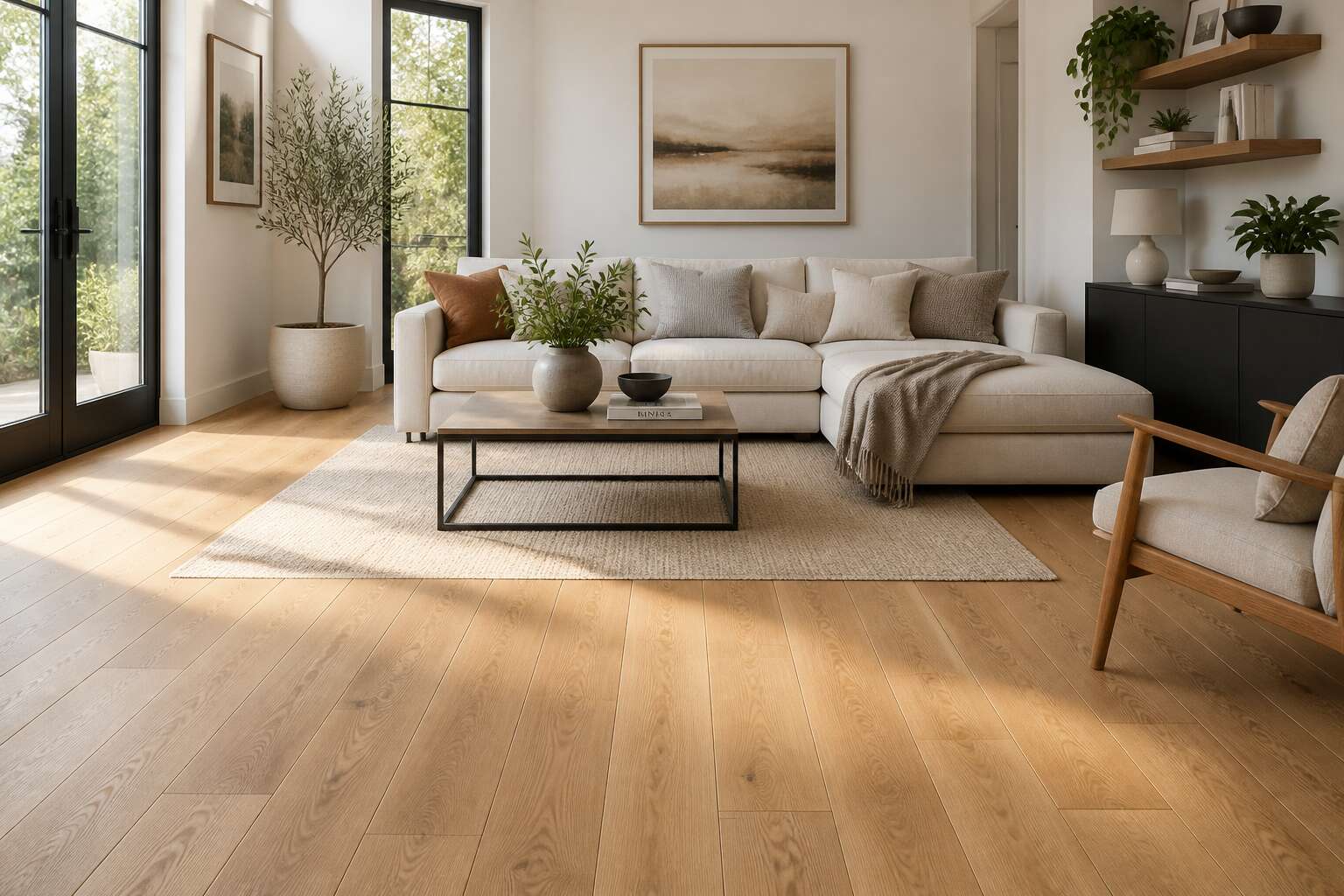
Understanding Laminate Flooring
What Is Laminate Flooring?
Beneath the surface of every quiet room lies a quiet deception. Laminate flooring is an engineered marvel, a simulation so precise it often tricks the eye into seeing solid oak or aged slate. It is not wood, nor stone, but a composite core wrapped in a photographic layer, sealed beneath a clear, protective overlay. This construction is what separates it from its natural counterparts, offering a resilience that endures the heavy footfall of a bustling household. For those asking how laminate flooring withstands the daily grind, the answer lies in its layered architecture, a fortress built from the ground up.
– A robust, moisture-resistant backing for stability.
– A dense high-density fibreboard core for impact resistance.
– A high-resolution imagery layer that mimics natural textures.
– A transparent wear layer that deflects scratches and fading.
This assembly is the secret to its practicality. Installation, too, is a matter of careful precision, where planks interlock without a single drop of adhesive, floating freely above your subfloor. This method allows for natural expansion and contraction, a silent accommodation to the shifting temperatures of the Highveld or the coastal humidity of Durban. The result is a floor that remains composed and unyielding, a testament to modern material science.
Key Components and Construction Layers
Understanding how laminate flooring achieves its resilience requires inspecting its internal architecture. The core, a dense fibreboard, provides structural strength. Its thickness and moisture resistance determine how well planks hold their shape. The decorative layer sits above, printed with high-fidelity imagery. The wear layer, fortified with aluminium oxide, shields against scuffs and fading.
- The backing laminate guards against rising dampness.
- The high-density core holds the locking mechanism.
- The printed paper mimics wood or stone textures.
- The overlay protects the surface from daily wear.
Each layer performs a distinct function, which is why the system works so well! The locking profile, milled into the core, dictates how laminate flooring responds to temperature changes. A precise fit prevents buckling or gaps. This construction allows the entire system to move as one, adapting to coastal humidity or dry interior air. The result is a floor built to endure without losing visual clarity.
Popular Styles and Finishes
One quiet truth about this floor surface is that the visual trickery never stops at colour. The most durable styles hinge on how laminate flooring captures light, especially under harsh South African sun. Homeowners in Cape Town often select brushed eucalyptus planks, while Johannesburg interiors favour grey-washed oak.
The finish layer does more than shine; it defines texture. A satin sheen hides daily scuffs. A deep gloss shouts luxury but requires more careful upkeep.
For quick reference, these finishes tend to lead the market:
- Embossed surfaces with real wood-feel ridges
- Wire-brushed textures that soften glare
- Glossy smooth coats for a polished concrete vibe
Also consider wide boards with beveled edges. They mimic reclaimed timber without the old-building creaks. Understanding how laminate flooring behaves in coastal mist helps you choose between gloss and matte.
Benefits and Drawbacks
Durability and Scratch Resistance
Ask any homeowner about flooring regrets and you will hear tales of high-maintenance surfaces. How laminate flooring behaves is practical, though it has a few quirks. The wear layer resists daily scratches, but a dropped cast iron pan leaves a dent.
These are the benefits:
- The surface handles kids and pets without retaining a permanent marking.
- It feels warmer underfoot than tiles, an advantage during a Cape Town winter.
Drawbacks appear when water lingers. Laminate swells if a leak goes unnoticed, and certain furniture legs need felt protectors. In South Africa, humidity varies wildly, but a decent acoustic underlay helps. Scratches are usually superficial, and most can be buffed or hidden under a rug. Ultimately, laminate gives you resilience without demanding excessive care.
Cost-Effectiveness Compared to Hardwood
The price gap between hardwood and laminate in South Africa often exceeds R400 per square metre. That difference buys real living space! How laminate flooring delivers that saving while retaining a wood look is the core question.
Installation costs less. Floating floors need no adhesive, and most rooms finish in a day. Hardwood requires sanding and skilled labour. Over a 50 square metre lounge, the total saving funds new furniture.
- Laminate resists fading in sunnier rooms better than raw timber.
- Spills wipe clean without re-oiling.
Drawbacks follow the price. Laminate cannot be refinished. A scratched hardwood floor sands down twice, while a laminate panel must be replaced. Also, resale value favours timber. Yet for a family home in a humid coastal city, the lower upfront cost often outweighs that future gain.
Moisture and Water Resistance Considerations
Durban’s humidity tests every floor covering. Raw timber swells, tiles sweat, and laminate sits in a complicated middle ground. The way how laminate flooring reacts to moisture depends on the locking system’s quality and the fiberboard core’s density. I have watched cheap panels buckle within a single rainy season in Umhlanga, while better brands survive years of coastal mornings.
- Spills left standing under two hours generally wipe away clean.
- Flooding from burst pipes requires immediate panel removal to dry the underlay.
- Sealed edges matter more than the topcoat, since water seeps through joints first.
Most manufacturers rate laminate for normal household wear, not wet zones. A bathroom or laundry room in Johannesburg or Cape Town calls for vinyl or tile. Yet a kitchen spill, a damp dog, or condensation at a beach house, laminate manages these moments. This is how laminate flooring balances affordability against a real vulnerability, and knowing the limits protects your investment.
Installation Ease for DIY Enthusiasts
The click-lock system makes laminate one of the most accessible floor coverings for a DIY weekend project. No glue, no nails, just angled joints that snap together. First-time installers can finish a 40 square metre living room in a single day. That speed masks a hidden preparation burden.
– Levelling the subfloor is non-negotiable.
– Expansion gaps around every perimeter must be precise.
– Door frames require careful undercutting.
The real test comes in the cutting. A circular saw demands steady hands, and the last row rarely fits without accurate measuring. How laminate flooring performs after installation depends entirely on this preparation phase. Skimping on it means clicking joints that separate within months. The saved labour costs outweigh the frustration of measuring errors for many homeowners.
Potential Downsides and Limitations
A well-maintained laminate floor lasts 15 to 20 years, yet that lifespan hides several trade-offs. I have seen how laminate flooring responds to humidity shifts in coastal homes, and the pattern is predictable before you lay the first plank.
The benefits are practical: a low-maintenance surface that never needs sanding. The drawbacks emerge with daily realities.
- Underlayment choices alter footfall sound more than many expect.
- Accidental spills on seams wick into the core with surprising speed.
- Heavy furniture leaves permanent indentations without felt protectors.
Choosing the Right Laminate Flooring
Assessing Room Traffic and Usage
The quiet hum of a household is a constant, yet its impact on your floors is anything but uniform. A bustling family entranceway presents a different battle than a seldom-used guest bedroom. The hidden variable is traffic, and it dictates how laminate flooring performs over time. You must consider the daily dance of paws, heels, and tiny feet before you select your planks.
A high-traffic zone demands a higher AC (Abrasion Criteria) class, while a low-traffic area allows for more flexibility in your budget. Consider the specific habits of your household:
1. High traffic areas like hallways and the kitchen require an AC4 or AC5 rating.
2. Moderate traffic spaces such as formal dining rooms may suffice with an AC3.
3. Low traffic zones, like a home office or spare bedroom, can handle a lighter grade.
This assessment directly influences how laminate flooring stands up against the grit and grime tracked in from the garden. A lighter colour can mask dust from the Highveld, but it will show scratches. Conversely, a dark finish in a coastal home will reveal every grain of sand. The true skill is matching the surface texture and wear rating to the chaos of your daily reality, not just the aesthetic.
Understanding AC Rating and Thickness
So you have survived the traffic assessment. Now comes the part where most people slip on the banana peel of laminate confusion. The two numbers that actually matter are the AC rating and the plank thickness. These two factors dictate how laminate flooring handles itself when life goes sideways, which in South Africa, it often does.
Think of AC rating as the floor’s emotional stability. A higher number means it takes a lot to get it riled up. AC4 is your steady friend who hosts the braai. AC5 is the bouncer at a nightclub. Thickness, on the other hand, is about the subfloor beneath. A thicker plank will hide a multitude of sins, like that slightly uneven concrete in a 1980s townhouse. But here is the secret: thickness does not create durability. A 12mm plank with a weak core will not outperform an 8mm with a solid core.
The trick is knowing how laminate flooring interacts with your substrate. And always check the AC rating on the box, not the sales pitch. Marketers love to confuse you with bevels and embossing. Those are just decoration. The AC rating is the truth. You can have a list of features, but this one number tells you if the top layer will survive a dropped wine glass or simply stare at you in disappointment. Match the rating to your chaos, and you will be fine.
Selecting Textures and Embossed Finishes
A floor can look like timber and still feel like a slippery lie under your bare feet. The visual layer, that printed photograph of oak, is only half the story. The tactile texture, the embossed grain, is what tells your senses whether this surface is a convincing stand-in or a cheap impersonation. When you run your hand across the plank, you are testing the honesty of the product. A good embossing will mimic the natural pores and ridges of real wood. A poor one will feel like sandpaper or, worse, like a sheet of laminated paper.
This is where the concept of register becomes your new favourite word. Embossed-in-register means the texture physically aligns with the printed grain pattern. The dent you feel is exactly where the knot is printed. If the texture does not match the print, your brain will catch the mismatch instantly, and the illusion collapses. For the South African home, this matters more than you think. The highveld sun streams through large windows and exposes every flaw in the surface reflection. A mismatched texture will glare at you like a sore thumb.
To help you navigate the options, consider the common finishes available:
– Embossed-in-register for a precise, realistic wood feel.
– Hand-scraped textures for a distressed, rustic character.
– Wire-brushed finishes for a subtle, matte smoothness.
– Smooth finishes for a modern, flat aesthetic that hides less dirt.
The smooth option is easier to clean but will show scratches faster. The hand-scraped texture does a brilliant job of hiding the daily scuffs from dog claws and dragged chairs. The choice hinges on your tolerance for visible wear. If you prefer a floor that looks pristine after two years, you need a heavier texture. If you are a minimalist, a smooth surface might be worth the maintenance. Just remember that how laminate flooring looks in the showroom under perfect lighting is not how it will look at 5 PM on a Tuesday with dust on it.
Evaluating Underlayment Needs
The underlayment is the silent partner in any laminate installation. Hidden beneath the planks, this layer dictates how laminate flooring responds to every step, every dropped spoon, every cold Highveld morning. In South Africa, where many homes rest on concrete slabs, rising damp is a persistent adversary. A quality underlayment with an integrated vapour barrier is not a luxury; it is a necessity.
Acoustics also live in this hidden stratum. Thin foam underlay leaves footsteps echoing through a quiet house, while rubberised cork or felt absorbs the sounds of children and pets. When I assess a room, I study the subfloor for slopes and cracks. A modest undulation can be managed, but major deviations demand levelling compound before installation proceeds.
Underlayment options to consider:
- Polyethylene foam for affordability
- Combination underlay with moisture barrier
- Rubberised cork for sound reduction
The choice determines how laminate flooring performs over a decade of seasons.
Comparing Brands and Warranties
Brand names in laminate flooring carry different promises. Some manufacturers offer extensive warranties while others keep premiums low with minimal coverage. The warranty document reveals how laminate flooring behaves under real South African conditions, from coastal humidity to Highveld temperature swings. I always read the fine print before recommending a brand.
Warranty terms vary considerably across the market. Structural coverage of twenty years or more should accompany finish warranties of at least a decade. Some brands include moisture protection clauses, though South African suppliers often exclude water damage from standard terms. Comparing brands requires examining these documents side by side.
- whether a certified installer must handle the fitting
- what photographic evidence the claim process demands
- how household and commercial coverage differ
Brand comparison should also consider material density and locking mechanism quality. A warranty holds no value when the distributor lacks a local presence. Ask how laminate flooring claims are processed before purchasing, and confirm how laminate flooring handles the expected traffic of your home.
Matching Style with Interior Design
Choosing the right laminate flooring starts with observing how laminate flooring behaves under your home’s specific lighting. A matte finish absorbs glare, while a high gloss reflects it, altering the perceived size of a room. For open-plan living areas, consider wide planks in a neutral tone; for smaller rooms, darker shades can create a cosy feel. The design language should align with your furniture and wall colour, not compete with them.
Consider these when matching style:
- Wall undertone, warm or cool, affects which wood tone blends seamlessly.
- Furniture style, from minimalist to classical, dictates plank width and bevel depth.
- Room function, such as a home office versus a lounge, changes how much visual texture you want.
This is not about following trends. It is about the daily visual impact of a surface you walk on. A well-matched floor makes the room feel intentional.
Installation Process and Methods
Preparing the Subfloor Properly
Nearly 80% of laminate failures trace back to subfloor issues, not the planks themselves. How you prepare the base will determine how laminate flooring behaves for years. Begin by pulling up old carpet and removing every tack strip and staple. Then assess for moisture with a digital meter, because excessive dampness makes the core swell and buckle.
Concrete slabs require a vapour barrier to block rising humidity. For timber subfloors, sand down high ridges and fill any low spots with patching compound. Ignore these steps and you risk audible squeaks and visible movement.
Follow this preparation sequence:
- Scrape away adhesive residue while it is still soft.
- Fill cracks wider than 2 mm with a flexible filler.
- Drive screws into loose floorboards near joists.
Finish by vacuuming thoroughly. Fine dust settles into the locking profiles and grinds them down. Patience here separates a lasting installation from a constant frustration.
Acclimating the Flooring
Acclimation is where installations often meet their quiet end. Planks need time to adjust to the room’s thermal character before a single piece clicks into place. Skip this vigil and you will hear the consequences later, a creaking protest in the night when temperatures shift.
Stack the unopened cartons in the centre of the room, away from exterior walls and direct sunlight. Leave them for at least 48 hours, longer in coastal humidity. The moisture lingering in the air of Cape Town or Durban will alter how laminate flooring behaves, and the material must find its balance.
Check these conditions before laying a single plank:
- Measure relative humidity for a full day
- Confirm the subfloor temperature sits between 15 and 25 degrees
- Verify cartons are level with no damaged packaging
Patient preparation prevents the warping that plagues hurried work. The stillness before installation shapes everything that follows.
Floating vs. Glue-Down Methods
Roughly 90% of South African homes choose the floating method, and for good reason! Floating floors click together without a single drop of adhesive. This is how laminate flooring copes with humid coastal cities like Durban, where glue can fail quietly over time. The planks rest loosely on underlayment, expanding and contracting as a single surface.
Glue-down remains practical for commercial settings. Heavy trolley traffic can shift floating planks, so permanence has its place. My advice: go with floating for residential spaces.
Here is what influences the decision:
- The condition of your subfloor
- The room’s moisture exposure
- Your long-term plans for the property
Floating wins for most homes.
Cutting and Fitting Around Obstacles
Cutting around obstacles separates a tidy installation from a crooked one. Doorframes, pipes, and irregular walls all demand careful measurement before the saw touches the board. For a pipe, drill a hole slightly larger than the pipe itself, then cut the plank from the side and click it into place. The edge hides beneath a pipe collar.
I find that a fine-tooth jigsaw or a dedicated laminate cutter produces clean edges. A dull blade will tear the printed layer. This is how laminate flooring responds to patience: one careful mark at a time. The sequence matters as much as the tool.
- A pencil mark transfers the obstacle’s exact depth onto the plank
- A scored surface prevents the decorative layer from chipping
- A 10 mm expansion gap protects the floor from buckling at fixed objects
Every doorway demands the same precision as the open floor. Careless cutting leaves visible gaps.
Transition Strips and Trim Installation
The threshold between rooms is where many installations reveal their character. Transition strips and trim absorb movement and hide the inevitable expansion gap. In my experience, knowing how laminate flooring reacts to temperature shifts at doorways prevents sagging and creaking.
I fit the track first, then snap the strip over it. For standard doorways, a T-molding works when both surfaces sit at equal height. When heights differ, a reducer transitions the drop. Around walls, baseboard and quarter round cover the gap without pinning the floor down.
Trim installation completes the job. Cut the trim at 45 degree angles for clean corners. Use a miter saw for accurate cuts! This attention to detail separates a floating floor from a confident one.
Maintenance and Longevity
Daily Cleaning and Care Routines
Daily cleaning for laminate flooring is more about consistency than intense scrubbing. A soft broom or vacuum with a felt attachment removes grit before it scratches the protective layer. How laminate flooring endures everyday foot traffic often depends on this simple routine.
For damp mopping, wring a microfiber cloth until barely moist. Excess water seeps between planks and swells the core, so less is always better. A pH neutral cleaner works well, but avoid wax and polish products, they leave a hazy film.
- Sweep kitchen and entry zones each evening
- Wipe up tea, coffee, or pet accidents promptly
- Place absorbent doormats at all external doors
Steam mops are tempting, but the heat and moisture damage panel seams. Stubborn stains respond to a soft cloth dipped in rubbing alcohol. Apply light pressure and rinse with a damp cloth.
Dealing with Spills and Stains
Spills are inevitable, but your response decides the outcome. How laminate flooring handles a splash of red wine or a smear of grease depends on the wear layer and reaction speed. The core is vulnerable, so moisture must never linger!
For sticky substances like jam, scrape with a plastic spatula. Then wipe with a barely damp cloth. For oil based stains, a drop of dish soap in warm water works, but rinse thoroughly. Avoid abrasive pads, they create micro scratches that trap dirt.
- Blot, never rub, to prevent spreading
- Use a dedicated laminate cleaner for stubborn marks
- Check the manufacturer’s warranty for approved products
Careful owners eventually face a stain that refuses to lift. A targeted solvent may save the plank, but the protective layer is thin. Repeated aggressive cleaning erodes it faster than any single spill. I have seen floors ruined by overzealous scrubbing, not by the spill itself.
Preventing Scratches and Dents
Scratches and dents rarely announce themselves. They arrive through daily friction, the quiet grind of grit underfoot. Prevention comes down to understanding how laminate flooring behaves under pressure. The wear layer resists daily abrasion, but concentrated weight behaves differently. A dropped saucepan or a dragged table leg can leave a permanent mark.
Felt pads under furniture legs are essential for how laminate flooring handles daily life. Area rugs in high traffic zones absorb the brunt of footfall. For wheeled chairs, use a mat with a non slip backing. Sand and grit act like sandpaper underfoot, so use doormats at every entrance.
I have seen floors ruined by a piano castor or a fridge dragged across the room. The core compresses and never rebounds.
- Lift furniture when moving it, never drag it
- Keep pet nails trimmed
- Place protective pads under heavy appliances
Once a dent appears, no cleaning product will restore it. The compression is permanent.
Repair Options for Damaged Planks
The repair of a damaged plank is a quieter victory than you might expect. How laminate flooring floats over its underlayment means any single board can be liberated from its neighbours. A heat-scorched section, a swollen edge, a deep gouge; each can be unclicked and replaced with a pristine twin. I have rescued floors thought beyond redemption using a pull bar and patience alone.
Yet longevity is not merely an act of rescue. It is vigilance. Every quarter, trace your fingers along the seams and detect the first whisper of swelling.
– Inspect transitions where moisture gathers
– Probe for softness beneath heavy furniture
– Listen for creaks that signal a loosened core
Keep spare planks from the original installation. Matching a discontinued shade in Johannesburg or Durban is a gamble, but a stored box removes luck from the equation entirely. That simple habit, more than any cleaner or polish, decides how laminate flooring survives the years.
When to Consider Replacement
Lantern light reveals every flaw. Laminate flooring carries its years in the seams, in the wear, in the quiet give beneath your step. The truth about how laminate flooring endures is written long before installation finishes. Maintenance postpones the inevitable, and longevity is earned through vigilance.
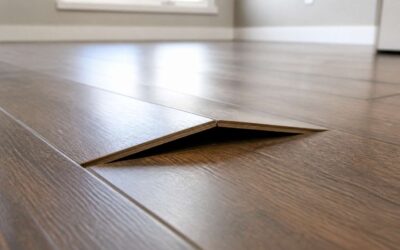
The difference between repair and replacement is a matter of scale. Repair frees a trapped plank. Replacement acknowledges a floor that has reached its terminus. Buckling that persists beyond the affected area signals a core failure. Edges that curl from moisture expose a failing seal. Creaking that spreads across multiple planks suggests a locking system that has let go.
Consider replacement when these conditions align:
– Wide expanses of swollen surface
– Recurring soft spots underfoot
The signs are visible to anyone who cares to look. When they appear, only a fresh installation will restore order to the room.


0 Comments