Understanding Water Damage and Swelling in Laminate Flooring
Recognizing Water Damage and Swelling in Laminate Flooring
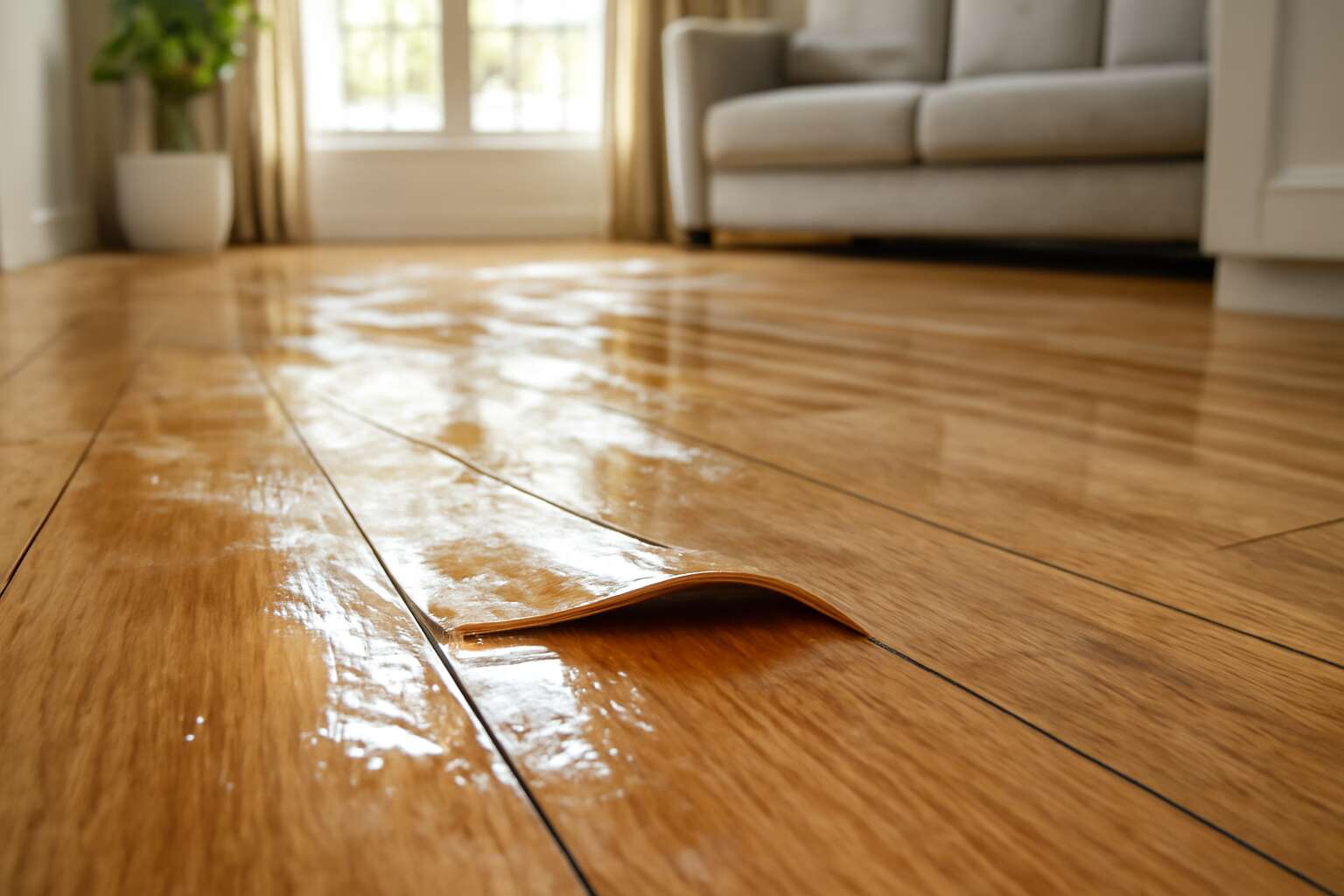
In South Africa, a restless season can hide trouble beneath your feet. One evening you notice a soft ripple along the hallway, and laminate floor got wet and swollen, turning a quiet room into a place of shifting shadows. I’ve learned that water doesn’t announce itself with a splash; it travels, seeping between seams and under planks, enlarging the problem with every hour. Understanding water damage means watching for more than a blotch—it’s about the way boards bend, buckle, and lose their crisp, familiar line.
Recognizing swelling means looking for telltale signs: cupping at the edges, raised seams, soft spots underfoot. Sometimes moisture hides behind baseboards, unseen until you feel the flooring give a little when you step.
- Visible cupping or warping
- Edge lifting and gaps
- Dark spots or musty odor
Swelling can spread as the moisture travels, and the board’s veneer may bubble like rain on a tin roof, a small tragedy many homeowners in rural areas have faced.
Causes and Risk Factors for Laminate Floor Swelling
Water doesn’t announce itself; it travels. In South Africa, damp seasons push moisture into living spaces before a visible wrinkle appears. Understanding the causes explains why laminate floor got wet and swollen—it’s a quiet intruder, seeping through seams and gathering behind trim. The result isn’t a puddle but soft spots and wavering edges.
Causes hinge on moisture and installation basics. Leaks from plumbing, rising damp, or spills left to linger can do serious damage. Temperature swings and humidity accelerate expansion, while a weak moisture barrier or poor acclimation leaves planks vulnerable. The combination raises the odds of swelling, especially in homes with frequent rain or coastal humidity.
Common risk factors include:
- High humidity areas such as kitchens, laundry rooms, and coastal homes
- Inadequate moisture barriers under the laminate or subfloor
- Poor acclimation and insufficient expansion gaps during installation
DIY Assessment and Quick Fixes for Minor Damage
Moisture travels like a quiet intruder, and in damp South Africa, it often hides behind skirting before a single wrinkle appears. In coastal and high-humidity homes, up to a third of cases show hidden swelling in laminate flooring, long before a warp becomes obvious!
When performing a DIY assessment, listen for softness underfoot and inspect the edges for cupping. If the laminate floor got wet and swollen, the hallmark is a quiet escalation—soft spots appearing near seams, edges lifting, or discolouration behind trim. The response is to document and seek guidance early, rather than attempting drastic changes.
- Soft spots near seams and edge lift
- Discolouration behind skirting or trim
- Visible cupping with moisture pockets
Repair, Replacement, and Long-Term Solutions
Coastal humidity in South Africa turns moisture into a patient intruder. Up to a third of laminate installations reveal hidden swelling long before a visible warp, and the moment laminate floor got wet and swollen, quiet cues emerge—slight seam lift, a dull edge behind trim.
Swelling stems from moisture pockets that push boards apart, altering fit and light reflection. The early signs are subtle—edges that look unsettled, a milky sheen, and a hidden shadow behind skirting that signals deeper moisture.
Long-term solutions hinge on professional assessment and prudent replacement planning. In a climate as varied as South Africa’s, moisture readings, subfloor evaluation, and plank compatibility guide decisions about which areas to restore and which to re-create with new materials.
Understanding these dynamics helps owners respect value while planning for durable, climate-conscious solutions.
Preventing Future Water Damage in Laminate Flooring
Moisture writes its own script on laminate flooring, and the pen is humidity. In South Africa’s varied climate, moisture migrates through subfloors and trims, leaving behind subtle seam lifts and a softened shine—quiet warnings that something deeper is at work.
Understanding water damage and swelling means reading the room rather than chasing a quick fix. If the laminate floor got wet and swollen, it signals more than a surface blemish—it’s a dialogue with your home’s moisture balance, shaped by ventilation, temperature swings, and the longevity of underlays and joints.
Preventing Future Water Damage in Laminate Flooring hinges on climate-aware design and materials that tolerate humidity. It’s a long‑term conversation about durability and value, not a rash rescue of a compromised layer.



0 Comments