Understanding the Importance of Water Protection for Laminate Flooring
Why Laminate Flooring Is Vulnerable to Water Damage
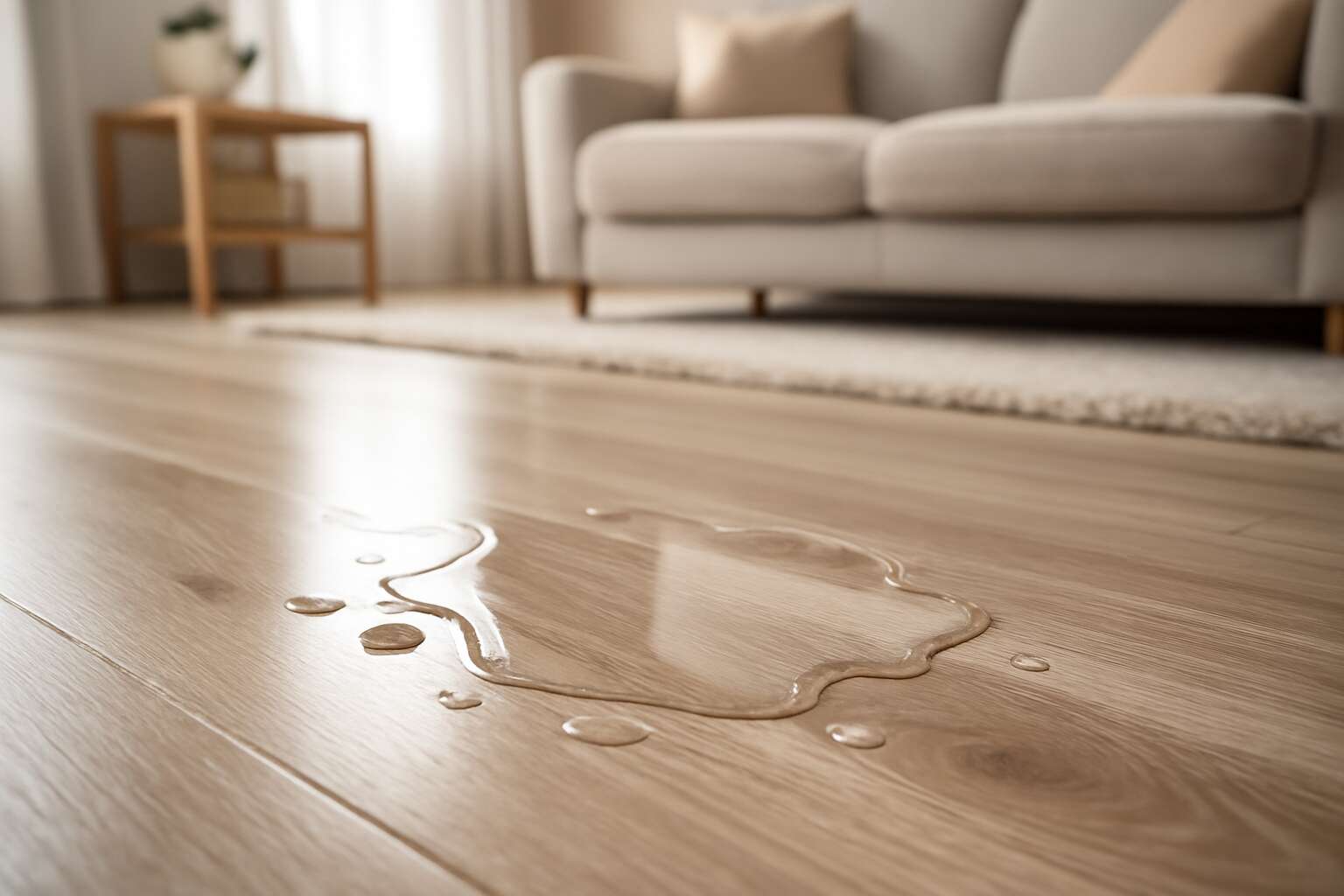
Water is the silent enemy lurking beneath the surface of laminate flooring, ready to strike when least expected. Studies reveal that water damage accounts for over 30% of laminate flooring repairs, making water protection a critical concern for homeowners. Without proper measures, even a minor spill or a sudden leak can cause the core to swell, warp, or delaminate, transforming a sleek surface into a distorted nightmare.
Laminate flooring is particularly vulnerable because of its layered construction. The top layer, designed for durability, is only as strong as the water protection measures safeguarding it. When moisture seeps through the seams or the edges, it infiltrates the core, leading to irreversible damage. This vulnerability highlights the importance of understanding the risks and implementing robust water protection strategies to preserve the flooring’s integrity for years to come.
Consequences of Water Damage on Laminate Flooring
Water damage is the silent orchestrator of decay, its subtle intrusion threatening the very heart of laminate flooring. Once moisture breaches the surface, it can set off a cascade of irreversible consequences—swelling planks, warped edges, and delaminated layers that diminish both beauty and function. In South Africa’s diverse climate, the importance of laminate flooring water protection cannot be overstated; it is the shield that preserves the integrity of your investment against the unpredictable whims of water.
When water seeps into laminate flooring, it doesn’t merely rest—it unleashes a destructive force that compromises the layered architecture from within. The core, often composed of high-density fiberboard, swells like a wounded creature, distorting the sleek surface into a distorted nightmare. To prevent this, homeowners must understand that robust water protection measures go beyond surface treatments—they must be woven into every seam and edge, forming an unbreakable barrier against the relentless assault of moisture.
Without adequate laminate flooring water protection, the consequences are dire: compromised structural stability, unsightly warping, and an inevitable need for costly repairs. For those who cherish their floors, recognizing the peril of water infiltration is the first step toward safeguarding their beauty and longevity. Because in the dance of moisture and material, only the resilient survive—ensuring a pristine, enduring surface amidst South Africa’s ever-changing environment.
Common Water Sources in Homes and Commercial Spaces
Water infiltration is one of the greatest threats to laminate flooring water protection, especially in South Africa’s unpredictable climate. In both homes and bustling commercial spaces, sources of water can be surprisingly common yet often overlooked. From everyday spills in kitchens and bathrooms to leaks from plumbing or appliances, moisture finds its way into every corner. Even condensation forming along windows or around pipes can gradually erode the integrity of your floors.
Understanding the common water sources in your environment is vital. Here are some typical culprits:
- Leaking pipes or water appliances
- Spills from food or beverages
- High humidity leading to condensation
- Flooding or water seepage during heavy rains
Each of these can be a silent threat to laminate flooring if not properly managed. Investing in comprehensive laminate flooring water protection measures—such as sealants, moisture barriers, and careful maintenance—ensures that your floors remain resilient against these persistent water challenges. The key is awareness; knowing where water can originate allows homeowners and business owners alike to fortify their defenses and extend the life of their flooring investments amidst South Africa’s diverse and often capricious weather patterns.
Types of Water-Protective Measures for Laminate Flooring
Water-Resistant vs. Waterproof Laminate Flooring
In the realm of laminate flooring water protection, understanding the distinction between water-resistant and waterproof options is paramount. While both serve as guardians against moisture, their capabilities differ dramatically. Water-resistant laminate flooring offers a buffer, repelling minor splashes and spills, but it is not invincible. Waterproof laminate flooring, on the other hand, is engineered to withstand prolonged exposure to water, making it an ideal choice for areas prone to frequent spills or humidity.
For those seeking enhanced laminate flooring water protection, several measures can be employed. These include specialized sealants that create an impermeable barrier, or installing underlayments designed to prevent moisture seepage. It’s crucial to evaluate the specific demands of your space—whether it’s a bustling kitchen or a humid basement—before selecting the appropriate level of water protection. Sometimes, a combination of protective layers and strategic maintenance can transform a beautiful floor into a resilient masterpiece.
Here’s a quick overview of the key differences:
- Water-resistant laminate flooring offers partial protection against moisture but can be compromised by standing water.
- Waterproof laminate flooring features advanced core materials and sealing technologies to prevent water ingress entirely.
In the pursuit of longevity and elegance, choosing the right laminate flooring water protection means prioritizing both beauty and practicality—because a truly stunning floor must endure the tests of time and tide alike.
Sealants and Protective Coatings
When it comes to safeguarding laminate flooring water protection, sealants and protective coatings serve as silent guardians—imperceptible yet essential. These materials act as a formidable barrier, sealing tiny pores and preventing water molecules from infiltrating the core. In environments where moisture is inevitable, such as kitchens or laundry rooms, applying a high-quality sealant can mean the difference between resilience and ruin.
Specialized sealants, often infused with advanced polymer technology, create an impermeable layer that repels water and prolongs the lifespan of your floor. Protective coatings, on the other hand, can be layered over the laminate surface to offer an extra line of defense. Sometimes, combining these measures with moisture-resistant underlayments enhances the overall water protection, transforming a delicate surface into an enduring masterpiece.
Consider this: the most effective water protection for laminate flooring isn’t merely about one product but a strategic marriage of multiple layers. For example, a robust sealant paired with a moisture-proof underlay can prevent water seepage from below and above, ensuring your flooring remains pristine despite the chaos of daily life. Such comprehensive measures underscore the importance of meticulous planning for water resilience—because a floor worth admiring must also be resilient against the unseen, relentless encroachment of moisture.
Underlayment Solutions for Water Resistance
In the pursuit of enduring beauty, laminate flooring water protection hinges on more than just surface treatments; it’s about the silent armor beneath our feet. Underlayment solutions tailored for water resistance serve as a crucial line of defense, cushioning the floor and thwarting moisture from seeping into the core. These specially designed underlays, infused with water-repellent properties, act as a barrier that minimizes the risk of swelling and warping, especially in moisture-prone areas like kitchens and laundry rooms.
Choosing the right underlayment can be a game-changer. For enhanced water resistance, consider options such as foam or cork underlays with built-in moisture barriers. Some manufacturers offer layered solutions that combine soundproofing with water protection—an elegant marriage of form and function.
- Moisture-resistant foam
- Cork with waterproof backing
- Hybrid underlays with vapor barriers
These elements work synergistically to elevate laminate flooring water protection, ensuring your investment remains pristine through the years.
When combined with strategic sealing and protective coatings, the underlayment transforms a delicate surface into a fortress of resilience. It’s a testament to how thoughtful layering—each component playing its part—can withstand the relentless march of moisture. Truly, the art of water protection in laminate flooring is a nuanced dance, blending innovation with elegance, to preserve both the integrity and beauty of your space.
Waterproof Flooring Additives and Treatments
In the realm of laminate flooring water protection, innovations continue to transform the battlefield against moisture intrusion. Waterproof flooring additives and treatments act as enchanted potions, infusing your planks with a resilient shield that repels water at a molecular level. These solutions often come in the form of sealants or surface coatings, creating an invisible barrier that guards against accidental spills and persistent humidity.
One particularly effective approach involves applying advanced sealants that penetrate deep into the core of the laminate, sealing tiny pores and preventing water from seeping in. Some manufacturers also offer hybrid treatments—combining anti-microbial properties with water resistance—ensuring your flooring remains pristine and protected over time. When considering laminate flooring water protection, these treatments can be a pivotal line of defense, seamlessly blending innovation with durability.
For those seeking an extra layer of assurance, the use of waterproof additives in the manufacturing process creates a formidable barrier that enhances the inherent water resistance of the laminate. This approach transforms ordinary flooring into a resilient fortress, capable of withstanding the moisture challenges of South African homes and commercial spaces. Truly, these water-resistant solutions are the silent guardians of your investment, ensuring longevity and beauty in the face of moisture’s relentless march.
Best Practices for Water Prevention and Maintenance
Proper Installation Techniques to Enhance Water Resistance
Achieving optimal laminate flooring water protection begins with meticulous installation practices. When the foundation is sound, the entire system becomes more resilient against unexpected spills or moisture seepage. Precision in laying down the flooring is paramount—improper alignment or gaps can serve as gateways for water intrusion, undermining your investment. Proper installation techniques include ensuring the subfloor is perfectly level and dry, which significantly enhances water resistance and prevents warping over time.
To bolster laminate flooring water protection, consider employing specific methods during installation. For instance, sealing all edges with high-quality, flexible sealants can create an impermeable barrier that guards against water ingress. Additionally, using a moisture barrier or underlayment designed explicitly for water resistance can make a tangible difference. These underlayments not only cushion the flooring but also provide an extra layer of defense against moisture rising from below.
- Confirm that the subfloor is thoroughly dry and level before laying down the laminate.
- Utilize moisture-resistant underlayments tailored for water protection.
- Apply sealants along all perimeter joints and seams for added water resistance.
- Follow manufacturer guidelines precisely for installation techniques that enhance water protection.
When combined with vigilant maintenance and awareness of potential water sources, these best practices for water prevention can extend the lifespan of your laminate flooring dramatically. Remember, a proactive approach during installation isn’t just about aesthetics—it’s about safeguarding your space against the relentless challenge of moisture. Every detail matters when aiming for superior laminate flooring water protection!
Regular Cleaning and Maintenance Tips
Even the most diligent homeowner can’t always anticipate a rogue spill or a sneaky leak creeping in when you least expect it. That’s why maintaining laminate flooring water protection isn’t a once-and-done deal; it’s an ongoing commitment. Regular cleaning and maintenance are your best allies in this battle against moisture mischief. A quick sweep daily keeps debris that could trap water from seeping into the seams, while damp mopping with a gentle cleaner prevents buildup that might compromise your flooring’s integrity.
To bolster your laminate flooring water protection, consider implementing a few straightforward habits. First, immediately wipe up any spills—don’t let them sit and turn into water trouble. Second, avoid excessive water during cleaning; a damp cloth is sufficient. And for the extra layer of defense, use a pH-neutral cleaner specially formulated for laminate surfaces. For those who like a little structure, here’s an effective approach:
- Schedule routine inspections to spot early signs of water infiltration.
- Ensure entryways are equipped with mats to trap moisture from shoes.
- Keep humidity levels in check—high humidity can be a sneaky source of water damage.
Remember, consistent vigilance and a proactive stance in maintenance don’t just preserve the aesthetic appeal of your laminate flooring water protection—they also extend its lifespan dramatically. Because let’s face it, moisture is a relentless adversary, but with the right care, your floors can stand strong against it!
Immediate Spill Cleanup Procedures
In rural South Africa, where unpredictable weather and lively households collide, safeguarding laminate flooring water protection becomes a vital part of everyday life. When a sudden leak or spilled cup of tea threatens to mar the beauty of your home, immediate action can make all the difference. Water damage doesn’t wait for the perfect moment to strike — it lurks in the shadows, ready to weaken your laminate flooring water protection if neglected.
Quick response is key. As soon as a spill occurs, grab a soft, absorbent cloth and blot the area—do not rub, as that can push moisture into the seams. If the spill is substantial, elevate the affected section to prevent water from seeping further and consider using a fan to accelerate drying. For persistent or large-scale leaks, employing a damp vacuum can help remove excess moisture without saturating the surface, preserving your laminate flooring water protection.
Consistent vigilance is the backbone of effective water prevention. Incorporate routine inspections, especially in high-risk zones like kitchens and bathrooms. Remember, even a tiny puddle can compromise your laminate flooring water protection over time. Keep entryways equipped with absorbent mats that trap moisture from shoes and boots—because sometimes, the smallest habit can prevent the biggest damage. In this way, a proactive approach transforms your home into a resilient sanctuary against moisture’s silent assault.
Using Rugs and Mats to Protect High-Risk Areas
In South Africa’s unpredictable climate, safeguarding laminate flooring water protection requires more than just sturdy materials; it demands strategic placement of rugs and mats in high-risk zones. Entryways, kitchens, and bathrooms are notorious for moisture infiltration, often disguised beneath the surface until it’s too late. Properly chosen rugs can be your first line of defense, absorbing excess water and preventing it from seeping into seams and joints.
To maximize water protection, opt for rugs with non-slip backing that stay securely in place, even during hurried foot traffic. Regularly inspecting these mats ensures they remain dry and effective. For added security, consider layering rugs in areas prone to heavy spills—this creates a moisture barrier that amplifies your laminate flooring water protection efforts. Remember, consistent vigilance and tailored solutions turn your home into a resilient bastion against moisture’s silent invasion.
Innovative Technologies in Water-Resistant Laminate Flooring
Advanced Core Materials Offering Enhanced Water Resistance
Innovative technologies are revolutionizing laminate flooring water protection, transforming what was once a vulnerability into a fortress of resilience. At the core of these advancements lie advanced core materials specially engineered to repel water and prevent seepage. These materials, often infused with water-resistant resins and polymers, create a barrier that stands firm against accidental spills and humidity—common enemies of traditional laminate flooring.
Manufacturers are now incorporating layered composites that enhance water resistance without sacrificing durability or aesthetic appeal. These cutting-edge core materials are designed to absorb minimal moisture, significantly reducing the risk of swelling or warping. For an added layer of protection, some brands use a waterproof backing or specialized rigid core technology, which acts as a shield beneath the surface veneer. The result? A flooring solution that not only looks sleek but also offers superior water protection, making it ideal for homes and commercial spaces exposed to moisture or high humidity.
Innovative Surface Finishes and Textures
Innovative surface finishes and textures are transforming the landscape of laminate flooring water protection, blending artistry with science to create surfaces that are both stunning and resilient. Imagine a floor that not only withstands the chaos of everyday spills but also beckons with a tactile allure—smooth, embossed, or textured to mimic natural materials. These advanced surface treatments form a protective barrier, making water infiltration a distant threat.
Manufacturers are now harnessing cutting-edge technologies to infuse laminate flooring with enhanced water resistance. For example, some brands employ a specialized topcoat infused with nanotechnology, which actively repels water molecules upon contact. Others utilize textured surfaces that naturally discourage liquid pooling, thus reducing the risk of seepage. This innovative approach bridges the gap between durability and beauty, allowing the floor to maintain its aesthetic integrity even in humid or spill-prone environments.
- Enhanced anti-slip textures for safety in moisture-prone areas
- Embossed finishes that emulate natural wood or stone
- Protective coatings that resist stains and water marks
This seamless fusion of form and function ensures that laminate flooring water protection is not just a technical feature but a design statement, elevating any space with both resilience and elegance. As technology advances, the surface textures themselves become an integral part of the water-resistant armor—making every step on your laminate floor feel like walking on a fortress of durability.
Embedded Water-Blocking Technologies
In the relentless dance between innovation and resilience, water-resistant laminate flooring has emerged as a marvel of modern craftsmanship. Embedded water-blocking technologies now form an almost impervious shield, transforming ordinary surfaces into bastions of durability. These cutting-edge solutions are not mere coatings but sophisticated systems designed to thwart the insidious infiltration of moisture, ensuring longevity in humid South African climates and beyond.
At the heart of this revolution lie advanced core materials infused with water-resistant properties—materials that breathe strength into each plank, resisting warping and swelling with unyielding resolve. Manufacturers are pioneering laminate flooring water protection through innovations such as nanotechnology-infused topcoats, which actively repel water molecules at a microscopic level. These invisible guardians stand sentinel against spills, leaks, and high humidity, turning fragile flooring into an enduring statement of craftsmanship.
Furthermore, some brands incorporate layers of water-blocking membranes beneath the surface, creating a formidable barrier that halts moisture before it can breach the core. This layered approach ensures that even in areas prone to frequent spills, such as kitchens or bathrooms, the integrity of a laminate floor remains uncompromised. The seamless integration of these technologies exemplifies how modern laminate flooring water protection is not a mere feature but a testament to innovation’s promise—combining beauty and resilience in perfect harmony.
Choosing the Right Water-Protection Products and Brands
Criteria for Selecting Water-Resistant Laminate Flooring
In the realm of laminate flooring water protection, choosing the right products is akin to selecting enchanted armor for a noble knight—each piece must offer unwavering resilience. With a plethora of brands vying for attention, discerning the true champions requires an eye for craftsmanship and innovation. Top-tier brands often boast advanced core materials and innovative surface finishes that can withstand the unpredictable nature of water exposure, especially in South African homes where moisture levels fluctuate dramatically.
When selecting water-resistant laminate flooring, consider the criteria that elevate a product from merely functional to extraordinary. Durability, manufacturer reputation, and the inclusion of embedded water-blocking technologies are paramount. For instance, some brands incorporate special surface textures that repel water efficiently, ensuring your floors remain pristine even after accidental spills or high humidity. Remember, the true magic lies in the details—look for products that seamlessly blend aesthetic appeal with formidable water protection.
Ultimately, the perfect choice combines these qualities into a harmonious symphony—delivering both beauty and resilience. Whether upgrading a bustling kitchen or a busy commercial space, your selection of water-resistant laminate flooring should reflect a commitment to enduring quality and peace of mind. After all, in the enchanted world of home improvement, the right product transforms everyday spaces into realms of lasting splendor and protection.
Top Brands Known for Water Protection Features
In the quest for impeccable laminate flooring water protection, selecting the right products and brands is a journey through a labyrinth of innovation and craftsmanship. South African homes, with their flirtation between arid days and humid nights, demand flooring solutions that stand resilient against water intrusion. Top brands in the industry have risen to this challenge, boasting advanced core materials that act as an enchanted barrier—defying moisture and preventing swelling or warping.
Among these brands, certain names are heralded for their pioneering water protection features. Brands like Krono, Quick-Step, and Pergo have integrated embedded water-blocking technologies and innovative surface finishes that gather water into beads and repel it effortlessly. These companies often employ a combination of water-resistant core layers and textured surfaces, creating an almost mythical resistance to spills and humidity. For discerning buyers, it’s essential to seek out products with:
- Advanced core technology that resists water penetration
- Innovative surface textures designed for water runoff
- Trusted reputation for durability and craftsmanship
Ultimately, the best water-resistant laminate flooring is a harmonious blend of durability and aesthetic finesse—crafted by brands committed to pushing the boundaries of water protection. When the choice is made with wisdom, it transforms everyday spaces into sanctuaries of beauty and resilience, ready to withstand the unpredictable whims of moisture in South Africa’s diverse climate.
Comparing Price and Performance
Choosing the right laminate flooring water protection requires careful comparison of brands and products. Prices can vary widely, but performance should never be compromised. High-quality water-resistant laminate flooring often features embedded water-blocking technologies and advanced core materials that resist moisture penetration. These brands are known for their durability and innovative surface finishes, making them ideal for South African homes with fluctuating humidity levels.
When evaluating options, consider the following:
- Reputation for water protection and craftsmanship
- Core technology that resists swelling and warping
- Surface textures that facilitate water runoff
While premium brands like Krono, Quick-Step, and Pergo tend to be pricier, their performance in water protection is unmatched. Cheaper options may seem attractive initially, but they often lack the durability needed to withstand water exposure over time. Balancing price and performance is crucial. Invest in a product that offers long-term resilience—sometimes, the extra upfront cost pays dividends by preventing costly repairs down the line.
Installation Tips for Water-Resistant Laminate Flooring
Preparation and Subfloor Considerations
When embarking on the journey to install water-resistant laminate flooring, meticulous preparation is paramount. The foundation of successful water protection begins with ensuring your subfloor is perfectly level, clean, and dry. Any moisture or debris can compromise the integrity of the laminate’s water-resistant properties, leading to unforeseen damage over time.
Subfloor considerations extend beyond mere cleanliness. It’s crucial to assess moisture levels, especially if your space is prone to humidity or potential water intrusion. Using a moisture barrier or vapor retarder can significantly bolster laminate flooring water protection, creating an additional safeguard against unseen threats beneath your feet.
For optimal results, consider following these steps:
- Ensure the subfloor is free of moisture and debris.
- Apply an appropriate moisture barrier if necessary.
- Use high-quality underlayment designed for water resistance.
- Allow ample acclimatization time for the laminate planks before installation.
By paying close attention to these foundational details, you forge a resilient barrier that enhances the longevity and water protection of your laminate flooring, transforming your space into a sanctuary of enduring beauty and strength.
Sealing Edges and Joints for Maximum Protection
When it comes to laminate flooring water protection, sealing the edges and joints is where the real magic happens. Think of it as giving your floor a suit of armor—without the hassle of medieval battles. Properly sealed edges prevent water from sneaking into cracks and seams, where it can cause chaos beneath your feet. This is especially crucial in South African homes, where humidity and occasional water splashes from spa days or pet mishaps are common visitors.
To maximize water resistance, consider employing high-quality sealants specifically designed for laminate flooring. These sealants create an impermeable barrier that keeps moisture out, even during those unexpected spills. A careful application along the perimeter and at all joints ensures no sneaky water molecules slip past unnoticed. For an extra layer of security, some professionals recommend applying a specialized edge sealing tape—think of it as duct tape for your floor’s delicate defenses.
- Start by thoroughly cleaning and drying the edges and joints.
- Apply the sealant evenly with a caulking gun or brush, ensuring all gaps are filled.
- Allow sufficient curing time before walking on the floor—patience is a virtue, especially when fighting water infiltration.
Remember, even the sturdiest laminate flooring water protection can be compromised if the joints aren’t sealed properly. So, don’t skimp on this step. After all, a well-sealed floor isn’t just about resisting water—it’s about preserving the beauty and integrity of your space for years to come. Because in the realm of laminate flooring water protection, sealing those edges isn’t just a tip—it’s a mandate for durability and peace of mind.
Professional vs. DIY Installation
Installing laminate flooring water protection properly can make all the difference in its longevity. Whether you choose professional installation or opt for a DIY approach, understanding the nuances is crucial. Professionals bring experience and precision, ensuring that every edge and joint is sealed flawlessly. This guarantees optimal water resistance from day one, especially in humid South African homes.
For those who prefer a hands-on approach, meticulous preparation is key. Clean and dry the area thoroughly before starting, and use high-quality sealants designed for laminate flooring water protection. Applying sealant evenly with a caulking gun or brush helps create an impermeable barrier. Remember, patience during curing is essential—rushing this step can compromise the entire water-resistant system.
Whether professional or DIY, it’s vital to pay attention to every detail in the installation process. A well-installed laminate floor with properly sealed edges offers peace of mind. After all, water protection isn’t just about materials; it’s about how they’re installed. For maximum durability, consider employing an ordered approach to sealing joints, ensuring no moisture can slip through unnoticed.
Dealing with Water Damage: Repair and Restoration
Identifying Early Signs of Water Damage
Water damage on laminate flooring can strike unexpectedly, often with subtle signs that go unnoticed until it’s too late. Recognizing the early indicators is crucial for preserving the integrity of your investment. A common yet easily overlooked symptom is warping or buckling along the edges—these distortions hint at underlying moisture seeping into the core. Discoloration, especially dark spots or areas that seem dull compared to surrounding planks, also signals water infiltration.
To catch these signs promptly, inspect your flooring regularly, paying close attention to seams and joints—prime entry points for water. Remember, water-resistant laminate flooring offers an added layer of defense, but no product is entirely infallible. The key lies in proactive management and understanding the vulnerabilities in your specific environment. When water damage does occur, swift intervention can prevent further deterioration and costly repairs. The difference between minor restoration and full replacement hinges on early detection, making vigilance your best ally in safeguarding your floors against the silent threat of water.
Repairing Water-Related Damage
When water finds its way beneath the surface of your laminate flooring, damage can escalate swiftly, turning a minor spill into a costly ordeal. Repair and restoration after water damage require a delicate touch—think of it as healing a wounded canvas. The first step is to gently lift affected planks, allowing moisture to escape and preventing further warping. If caught early, minor swelling can sometimes be flattened with careful pressing and drying, but persistent moisture may necessitate replacing entire sections.
For more extensive damage, consider employing professional restoration services that utilize advanced moisture detection and drying techniques. To aid in the process, a simple
- dehumidifier
- fan
- vacuum
can be your allies in removing residual dampness. Remember, the key to effective repair lies in swift action—delays can compromise the structural integrity of your laminate flooring water protection efforts, transforming a manageable situation into a nightmare of replacement. Vigilance and prompt response are your best defenses in preserving the beauty and resilience of your floors against water’s silent invasion.
When to Replace Laminate Flooring
When water breaches the defenses of your laminate flooring water protection, the consequences can be swift and devastating. The moment moisture seeps beneath the surface, it begins to compromise the integrity of the planks, often in ways invisible to the naked eye. At this critical juncture, timely repair and restoration are paramount.
If the damage is caught early, minor swelling can sometimes be remedied by carefully pressing and drying the affected areas. However, persistent moisture often demands more drastic measures—such as replacing entire sections of the floor. For extensive damage, professional restoration services equipped with advanced moisture detection and drying techniques become invaluable. Using tools like dehumidifiers, fans, or vacuums can expedite the drying process, helping to restore the laminate flooring water protection that once kept your floors resilient.
In many cases, the decision to replace the flooring hinges on the extent of the damage, the age of the laminate, and the effectiveness of initial water protection measures. When repairs become insufficient, replacing the affected planks or even the entire floor may be the only way to ensure longevity. Remember, the key to safeguarding your investment lies in early detection and decisive action—because once water takes hold, the road to recovery can be long and arduous.



0 Comments