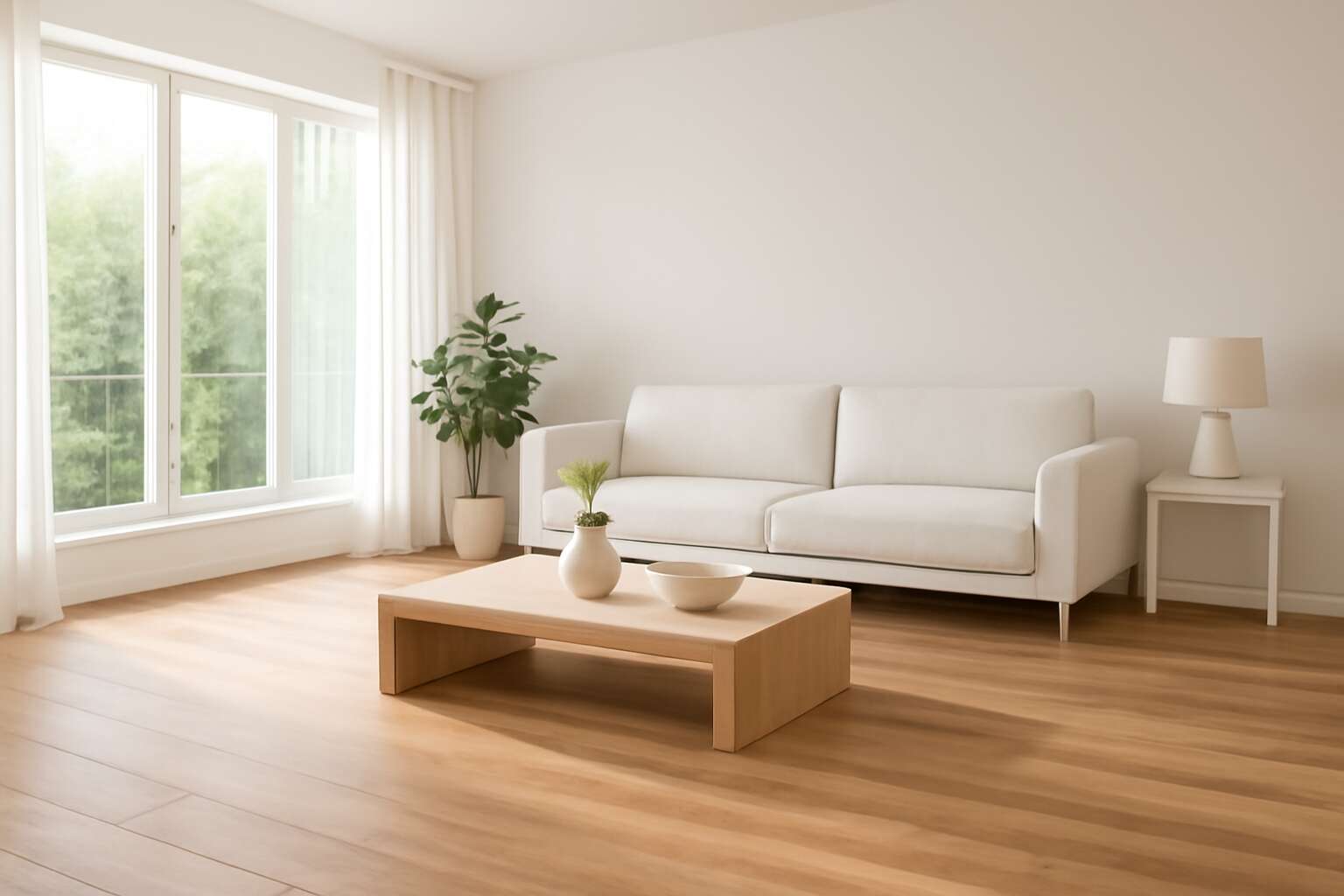
Laminate wood flooring: choosing the right option
Types and core construction – Overview of laminate core materials, thickness, and how they influence stability and feel.
“Flooring is the canvas of a room,” says a design director, and that canvas should stand up to life—and perhaps a late-night dance-off. When it comes to which laminate wood flooring is best, the answer starts with core construction and thickness rather than color alone. Core matters because it governs stability, feel, and how the planks respond to foot traffic in South African homes.
Laminate cores come mainly in three flavors:
- HDF (high-density fibreboard) core for rigidity and moisture resistance
- MDF core as a budget alternative with decent stability
- Composite/plywood cores for extra dimensional stability in open-plan spaces
Thickness ranges from about 6mm to 12mm, with thicker boards offering a firmer feel and quieter steps underfoot. A thicker core generally improves durability and reduces flex, which matters for busy floors and long corridors.
Wear layer thickness and finish options – Compare wear-layer microns, embossing, and texture choices that affect durability and look.
In the quest to discern which laminate wood flooring is best, the answer often hides in the wear layer and the finish rather than the color swatch. Wear-layer thickness, measured in microns, serves as a shield against scuffs and footprints. A thicker overlay—roughly 300 to 600 microns—offers longevity under busy South African homes, while finish options from matte to satin tame glare and reveal texture without premature wear. Embossing and texture, from woodgrain to handscraped, deepen the look and render even a budget board timeless.
- Wear-layer microns: 200–300 for light traffic; 300–600 for busy households
- Embossing options: woodgrain, rustic, or stone-inspired textures
- Texture choices: matte, satin, brushed, or smooth finishes
Visual design and texture variety – Discuss patterns, colors, bevels, and authenticity levels.
Footfalls echo with a velvet hush as a laminate floor unfolds like a midnight map across a Cape Town flat or a Pretoria home. Patterns range from slender, straight planks to bold, stone-inspired veining that fools the eye and the mind. Colors drift from pale ash to espresso bark, with bevels catching light as if carved by nocturnal artisans. Authenticity levels vary, offering a curated illusion of age without the ache of real timber.
For those wondering which laminate wood flooring is best, the answer isn’t a single note but a symphony of texture and tone—matte, satin, or brushed finishes, each adding a shadowed character that survives both glare and time. I’ve watched spaces shift under a whisper of satin, and it’s a quiet drama you live with, not merely look at!
Moisture resistance features – Explain water resistance technologies and typical limits for laminate flooring.
Water is the unspoken weather in South Africa’s homes—sparks between cupboards and sinks often begin at the seams. For many, which laminate wood flooring is best hinges on moisture resilience as much as design. A well-chosen floor stays calm under spills and humid days, guiding rooms toward quiet confidence.
Moisture resistance comes from smarter cores, sealed edges, and thoughtful underlays. Look for laminates with water-resistant cores (HDF treated, SPC, or WPC), PUR or wax-sealed wear layers, and locking systems that close gaps where moisture hides. Spills should be dried promptly—standing water invites edge swelling. In South Africa, climate conditions and wet-area design influence performance, with bathrooms presenting particular challenges for laminate.
- Hydrophobic core materials (SPC/WPC) or treated HDF
- Sealed edges and wear layers with PUR or wax coatings
- Interlocking joints designed to resist moisture ingress
- Moisture-barrier underlay and perimeter expansion gaps
Performance and durability ratings – Explain AC rating, impact resistance, and daily wear considerations.
So which laminate wood flooring is best for high-traffic South African homes? Durability is the true judge, not just shine. The AC rating acts as a weatherproof gauge, showing how a floor will endure daily drama and the occasional spill. It’s a quiet anchor in a space that wants style, not surrender.
AC ratings run from AC1 (light domestic) to AC5 (heavy commercial). For most South African households, AC3 or AC4 offers a balanced blend of performance and value for living areas, kitchens, and hallways, where daily wear constantly tests seams and edges. Look beyond color—trust the rating to tell you how long the look will last under real use.
Think about daily wear: foot traffic, furniture, and pets shape aging. A higher AC rating signals better scratch and dent resistance and a longer life in busy rooms. In the end, durability and quiet confidence are what keep the style intact through SA’s seasons.
Scratch resistance and protection – Discuss technologies that reduce scratches and denting.
The floor remembers every scuff and spill, and in South Africa’s sunlit rooms that memory matters. When pondering which laminate wood flooring is best for busy South African homes, scratch resistance becomes the true gauge of longevity. A smart choice wears well; it resists the tiny daggers of daily life—pet claws, chair legs, the odd sandal thump—without surrendering to the first dent.
Scratch resistance technologies act as armor. Look for these features:
- Aluminum oxide wear layer for a durable, hard-wearing top surface
- Ceramic-infused or advanced protective coatings that harden the surface against chips and scratches
- Embossed-in-register textures and subtle matte finishes that disguise micro-scratches
These layers harmonize with daily rituals—the laughter in the living room, the hallway’s hurried traffic, the kitchen’s near-misses—so your floor endures with a quiet, lasting confidence.
Sunlight exposure and fading – Cover UV protection and color stability in sunny rooms.
In sun-drenched South African homes, fading isn’t a casual risk—it’s a daily fact of life. When you’re evaluating which laminate wood flooring is best, UV protection becomes the quiet pillar of color stability. Direct sun can lighten tones and alter grain visibility over years; a protective layer that resists UV damage keeps the room’s mood consistent from dawn to late afternoon.
To capture lasting color in sunny rooms, seek boards engineered with UV-savvy features:
- UV-resistant wear layer and UV-cured finishes
- Color-stable pigments beneath durable surface
- Embedded coloration rather than surface-only overlays
- Coatings formulated to resist yellowing and fade
Warranty and service terms – Outline typical warranty terms and what affects coverage.
Warranty terms are the quiet backbone when deciding which laminate wood flooring is best. In South Africa, many reputable brands offer 10 to 25 years of residential coverage, focusing on manufacturing defects and wear-through. The difference often lies in transferability, claim processes, and registration requirements that shape a claim’s viability.
- Residential vs commercial use
- Term length and prorated coverage
- What counts as a defect vs ordinary wear
- Exclusions such as moisture intrusion, improper installation, or neglect
- Registration requirements and proof of purchase
Coverage is influenced by installation quality, acclimation, moisture management, and maintenance. Some warranties demand professional installation and specific underlayment; others are stricter about UV exposure and moisture intrusion. By understanding these details, you avoid gaps in protection and enjoy your flooring with confidence.
Installation and subfloor preparation – Discuss click-lock vs glue-down, underlayment requirements, and subfloor checks.
For many South Africans, which laminate wood flooring is best lingers in the hallway like a shadow at sundown. The choice of installation method matters: click-lock planks snap together with a quiet assurance, while glue-down boards promise steadiness and a tighter feel underfoot. In high-traffic spaces, click-lock often wins for speed and replacements; in moisture-prone rooms, a glue-down setup can offer longer-term resilience.
To lay a durable base, attend to underlayment and subfloor checks.
- Subfloor must be flat; fix high spots or dips, aim for under 3 mm deviation.
- Underlayment should match your system and climate; include a moisture barrier if required.
- Acclimate boards in the room before installation per manufacturer guidelines.
With proper preparation, the floor reveals its character and age with quiet grace.
Underlayment and noise reduction – Explain underlayment options and sound profile.
Quiet corridors in South African homes reveal a simple truth: the right underlayment softens footfall like a warm breeze through a veld. For those pondering which laminate wood flooring is best, the answer often starts beneath your feet, where silence is engineered with care. The sound profile of a floor—how it carries, what it muffles, how close it feels underfoot—depends on the underlayment you choose and the room’s humidity.
- Foam underlayment with a built-in moisture barrier
- Cork underlayment for natural sound absorption
- Felt underlayment for comfort and density, sometimes paired with a moisture shield
In South Africa’s diverse climates, these options tune the ambient levity of every step, shaping warmth, elasticity, and resonance so that rooms feel calmer and more anchored—almost timeless—in their quiet elegance.
Expansion gaps and acclimation – Discuss acclimation times and space for expansion.
Footsteps across a laminate floor should feel deliberate, not a chorus of squeaks and gaps. “The floor learns to breathe with the room,” a seasoned installer notes—a reminder that expansion and acclimation shape comfort in a South African home. When homeowners ask which laminate wood flooring is best, acclimation times and space for expansion often decide the outcome in this climate, where humidity swings with the seasons.
Most boards arrive at room conditions and should rest for about 24 to 48 hours before installation to reach equilibrium. The aim is to give every plank room to expand and relax, avoiding future buckling or unsightly gaps as humidity shifts.
- Board width and profile influence how much expansion space is needed
- Humidity and temperature stability during acclimation affect performance
- Perimeter expansion gaps must align with manufacturer guidance and room geometry
Maintenance and cleaning routines – Recommendations for cleaning products and practices to preserve finish.
Maintenance matters: “The floor learns to breathe with the room,” a seasoned installer notes, and so does its finish. In South Africa’s climate, a steady cleaning routine helps keep the look from fading. When homeowners ask which laminate wood flooring is best, maintenance and cleaning routines often decide the answer.
- Avoid abrasive pads that scratch the surface
- Use felt pads under furniture to prevent gouges
- Wipe up spills promptly to prevent moisture from seeping into joints
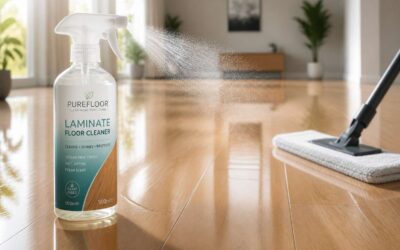
Choose cleaning products wisely—lean toward pH-neutral, non-abrasive cleaners and microfiber mops. Steer clear of ammonia, waxes, and steam cleaners, which can degrade coatings over time.
A light daily dusting with a microfiber cloth helps keep the finish calm, while routine checks for humidity and temperature stability protect the core in this climate.
Budget considerations and value – Explain cost ranges, price-per-square-foot, and value drivers.
When weighing options, budget and value drive the decision on which laminate wood flooring is best for South Africa’s homes. Price-per-square-foot varies with tier, from entry-level looks to premium finishes, and installation adds to the total. In practice, you’ll notice a clear delta between affordable planks and those that promise longer wear and richer realism.
Value in this category comes from a few reliable levers: brand support and warranty, the perceived authenticity of grain and texture, and the ease of installation and underlayment included or recommended. By comparing these alongside sticker price, you can identify a floor that not only looks good but stands up to daily life.
- Durability and warranty terms
- Design realism and finish quality
- Ease of installation and included underlayment
Brand comparisons and product lines – Overview of major brands and line features.
Which laminate wood flooring is best? In South Africa’s homes, the answer is forged in brand reliability, line features, and how the floor ages under sun and life. A thoughtful choice delivers authentic texture, steady color, and dependable after-sales support.
Here are some major brands and the line features they are known for.
- Pergo — strong wear layer and varied textures that mimic real wood.
- Krono Original — deep embossing with a stable core for quiet underfoot.
- Quick-Step — realistic textures and a broad color range for fast styling.
- Tarkett — moisture-controlled options and bevel choices to suit kitchens and baths.
- Armstrong — value-driven lines with reliable distribution across SA.
Look beyond sticker price and consider tone consistency, wear-layer thickness, bevel options, and warranty coverage. Brand lines reflect a balance of price, texture realism, and after-sales support that resonates in daily living.
Certifications and eco-friendly claims – Explain CARB, FloorScore, and other sustainability marks.
In South Africa, sunlit living rooms crave not only style but air that feels lighter underfoot. A growing number of homeowners ask, which laminate wood flooring is best, when eco-certifications guide the choices that sit underfoot.
Certifications matter because they signal lower emissions and safer materials. CARB sets stringent formaldehyde limits, while FloorScore independently tests for indoor air quality. Look for these marks alongside others that prove responsible sourcing and finished products, such as FSC/PEFC for sustainable wood and GREENGUARD for low VOC emissions.
- CARB — formaldehyde restrictions for composite wood products
- FloorScore — third-party IAQ certification
- FSC/PEFC — responsible forest management certification
- GREENGUARD — low chemical emissions
Choosing laminate with these marks helps ensure a healthier home and a floor that ages with honesty, rather than fading under the glare of sun and life.
Availability and warranty terms by brand – Discuss distribution channels and brand-specific warranties.
South African homes aren’t just chasing style; they crave floors that endure with honesty. If you’re wondering which laminate wood flooring is best, the answer rests as much in availability as in appearance. When a brand’s distribution network reaches your city and town, it translates into easier service and quicker replacements, keeping your room pristine for years.
Availability isn’t simply about stock; it’s about trusted distribution and ongoing support across SA. You’ll typically find laminate through several channels:
- Authorized national retailers and showrooms
- Online marketplaces with dealer networks
- Specialized flooring installers and fitters
- Builder and hardware chains with in-store displays
Brand-specific warranties vary, but most reputable labels offer wear, finish and moisture coverage for defined periods. Look for transferability, registration steps, and conditions on acclimation and installation. A strong warranty complements the choice, signaling confidence in long-term performance.
Refinishing and repairability notes – Clarify that laminate cannot be refinished and what repair options exist.
When contemplating which laminate wood flooring is best, durability isn’t the only headline. In truth, you can’t refinish laminate—its surface is sealed. Worn areas stay worn, so longevity rests on the surface’s resilience and how well the product ages in SA homes.
Repair options exist, even if refinishing is off the table.
- Replace individual planks from a matching batch
- Use spot repair kits for shallow scratches and chips
- Engage a professional for plank-by-plank replacement when needed
In practice, the choice shifts from dreaming of a perfect finish to selecting a core that tolerates life. In SA homes, suppliers and installers can guide on compatible replacements and warranty implications.
Where to buy and return policies – Consider retailer policies and after-sale support.
When you ask which laminate wood flooring is best, durability is only part of the story. The shopping landscape in SA blends style with service: return windows, delivery options, and after-sale support that keeps your floors singing long after installation.
Choosing the right option means weighing not just price and pattern, but where you buy—from SA retailers, reputable distributors, or big-name hardware chains with local showrooms. Look for clear warranty terms, stress-free exchanges, and ready access to spare planks or expert advice if a snag arises.
- Return window and condition requirements
- Warranty scope and claim process
- Sample and colour-consistency policies
- After-sales support channels and installation services

0 Comments