Pricing basics for laminate flooring
What affects laminate price per square foot
South African homes love a bold look, and laminate floor pricing is the quiet engine behind it all. A tweak to wear layer or thickness can swing the price, and I’ve seen results stay stylish and durable for years.
Factors that tilt the scales include brand, thickness, wear layer, core construction, and underlay. In South Africa, price per square meter shifts with these choices, plus installation. Here’s a snapshot of what tends to move the dial:
- Brand reputation and warranty
- Board thickness (7–12 mm)
- Wear layer height (0.2–0.5 mm)
- Underlay quality and type
Even a quick glance at pricing reveals a balance of durability, aesthetics, and comfort underfoot. Here, you’re paying for longevity as much as looks.
Average price ranges by grade and thickness
Bold floors can feel fated, yet the math behind them is mercifully transparent. In South Africa, price per square meter often dictates the final choice, with laminate floor pricing steering decisions as surely as a moonlit corridor guides the way.
Average price ranges by grade and thickness reveal a quiet spectrum: the sturdier the board, the deeper the pockets—yet the payoff is longevity and look. In the world of laminate floor pricing, here are the rough ranges by grade and thickness:
- Economy 7–8 mm: roughly R150–R250 per m²
- Standard 8–10 mm: roughly R250–R420 per m²
- Premium 12 mm: roughly R420–R700 per m²
When you weigh these brackets, you’re choosing more than a surface. I’ve watched clients weigh shimmer against warranty and arrive at a choice with quiet certainty. The thickness and grade translate into footfall comfort and the floor’s silent endurance through seasons of South African storms.
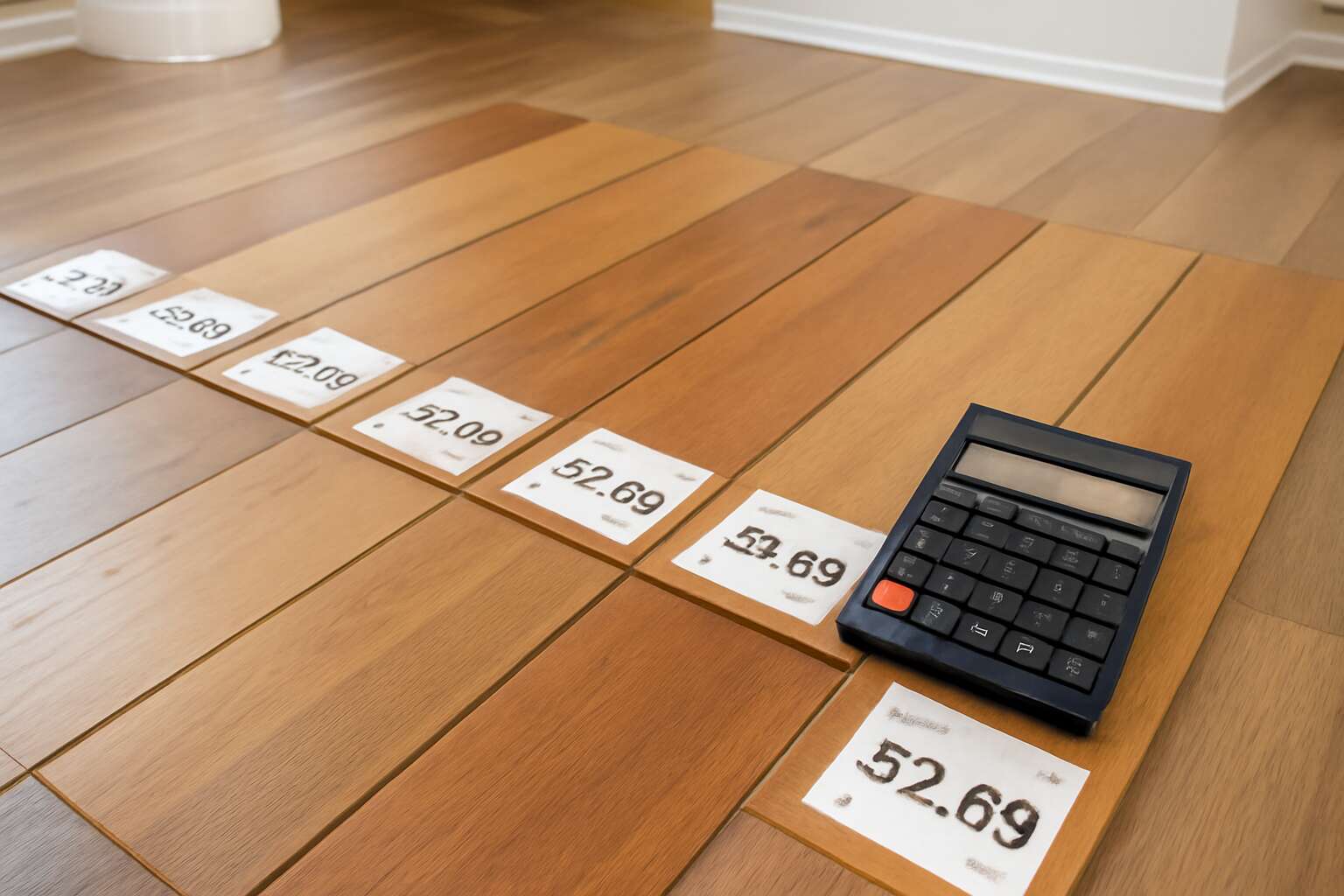
Prices drift like candlelight across sample boards, guiding the eye without shouting.
Installed vs DIY pricing
South Africa’s homes endure wind and whimsy in equal measure, and laminate floor pricing often shapes a room’s mood more than the hue of the boards. The sting of installation costs can tilt a decision like a caped shadow across a showroom floor. I’ve seen clients choose a deeper, dreamier plank when a pro’s steady hand promises quiet endurance.
Installed versus DIY pricing isn’t just a number; it’s a pact with time, precision, and the room’s breath. Consider these elements that commonly ride on the professional bill:
- Underlayment, acclimation, and moisture control
- Subfloor prep and final leveling for a smooth surface
- Removal of old flooring and waste disposal, with a warranty
DIY saves toil and sometimes money, but watch for hidden costs: errors, extra tooling, and potential warranty voids. The choice becomes a haunt of patience and price, where every plank carries a history of effort and care.
Hidden costs to budget for
South African homes wage a quiet battle with budgets, and laminate floor pricing is often the first casualty. The sticker price glitters, but hidden costs drift in with the Cape wind—underlayment, moisture checks, acclimation, and the quiet promise of a solid warranty. When you look at laminate floor pricing, you’re not just counting planks; you’re weighing time, precision, and the room’s breath.
Hidden costs to budget for include the following:
- Underlayment and moisture protection that keep boards from swelling
- Subfloor prep and leveling to avoid wobbly, wonky rows
- Old-floor removal and waste disposal, sometimes with a disposal fee
- Tools, trim pieces, and fasteners that sneak into the final tally
In the end, laminate floor pricing isn’t just the board cost; it’s a choreography of prep, protection, and polish that shapes the room’s mood—and your budget’s endurance. The right balance keeps your floors smooth and your warranty intact, too.
How to read laminate pricing labels
Across South Africa, homeowners discover the real cost only after the last plank is down—the laminate floor pricing on the label is only the opening act! In a recent industry pulse, 68% of projects report extra costs tucked into packaging, whispering that numbers can mislead when atmosphere and durability ride on the same box.
Reading laminate pricing labels is less about chasing the lowest quote and more about reading a room’s future. Look for the essentials on the label:
- Thickness and wear layer (affects durability and look)
- Dimensions per box and square metres covered
- Backer type and moisture resistance
- Warranty terms and installation compatibility
Hidden clues in the label reveal whether laminate floor pricing aligns with the space, climate, and lifestyle—a balance of form, function, and endurance.
Material cost factors and options
Thickness and wear layer impact on price
laminate floor pricing is driven as much by the raw materials as by the design. The HDF core, the melamine wear layer, and the UV seal collectively determine durability and cost. Finish choices—from satin to subtle emboss—shape character and price, with premium finishes lifting the tag across South African markets.
- Thickness options: 7mm, 8mm, 12mm — thicker planks add stiffness and price.
- Wear layer: 0.3mm, 0.4mm, 0.5mm — more wear layer means longer life and higher cost.
- Core stability and underlayment: higher-grade cores may require thicker underlayment, affecting overall installed price.
In addition, South African suppliers balance import costs and local production, guiding laminate floor pricing toward ranges that reward durability without sacrificing accessibility. For savvy buyers, laminate floor pricing becomes a balancing act between longevity and upfront expenditure.
Core materials and surface finish choices
The floor is the first page of a room’s story, and laminate floor pricing is the ink that keeps that page legible across South Africa. Durable cores and clever finishes let you dream big without breaking the bank, turning design into everyday reality.
Core materials and surface finish choices shape the price in subtle ways that echo the room’s mood as you walk in.
- Core materials: high-density HDF for rigidity and long-term stability
- Underlayment considerations: density, thickness, and compatibility influence installed cost
- Surface finishes: UV-cured melamine layers and textured patterns add character and charge
In South Africa, import costs and local production further tilt pricing, rewarding longevity while retaining accessibility.
Brand name versus value options
In South Africa, the floor is the room’s opening line, and laminate floor pricing writes the first stanza. You’re choosing not just boards but a system: brand-name reliability or value options that save a rand today and demand care tomorrow. Brand-name laminates often command a premium for uniform color across batches, longer warranties, and a broader service network; value lines offer lower laminate floor pricing but can show batch variation and tighter guarantees. Import costs and distribution shape the tally, reminding us that price is as much about origin as finish.
- Brand-name options offer consistent color across batches, longer warranties, and a robust service network.
- Value options deliver lower upfront laminate floor pricing with trade-offs like batch variation and shorter guarantees.
Balance, then, is the art—price tempered by durability, warranty, and service—so a room’s memory stays legible from doorway to dusk.
Underlayment and accessories costs
Underlayment and the odds-and-ends that accompany laminate floors can swing the total laminate floor pricing as much as the boards themselves. In SA homes, a quiet, stable floor starts with the right layer beneath your feet—and a moisture barrier can save costly repairs later. Consumers often forget that trims, tapes, and installation accessories matter too.
Underlayment options that keep costs predictable and performance solid:
- Standard foam underlayment for basic sound reduction
- Cork or bitumen-backed layers for warmth and moisture resistance
- Moisture barriers in damp spaces or on concrete
- Acoustic foams with higher sound ratings
Accessories and labor add-ons—transition strips, moisture barrier tape, an adhesive or click-lock setup, and the right tools—round out the bill. Each item threads back to laminate floor pricing, shaping the final cost while protecting warranty and glide quality across the room. In the SA market, planning for these extras can prevent surprise fees at install day.
Finish options and edge details that affect price
In South Africa, a single finish choice can tilt laminate floor pricing more than you’d expect. “The edge says more about price than the plank,” a veteran installer once told me, and it’s true—the right edge and finish can shorten or stretch the install and the bill. It’s a subtle lever that often hides in plain sight.
Finish options and edge details matter as much as the plank itself. Here are concise considerations that influence price and performance:
- Bevel profiles: square-edge vs micro-bevel
- Texture: matte, satin, or gloss finish
- Moisture sealing: edge and seam protection
- Installation method: click-lock vs glue-down
In the SA market, these finish and edge choices ripple through installation time, warranty adherence, and the final price.
Regional pricing and fluctuations
Geographic price variation across regions
Regional pricing for laminate floors in South Africa often feels like tracing a map that keeps shifting. Coastal metros carry different price rhythms than inland towns, driven by logistics, stock flow, and local demand. This is the map’s pulse—laminate floor pricing—that shifts with region!
- Freight distances from distribution hubs
- Local retailer competition and stock turnover
- Regional project demand and seasonality
These regional tides shape delivery times, showroom stock, and buyer confidence, reminding readers that pricing mirrors geography as much as product quality.
Seasonality, promotions, and timing
Seasonal price rhythms shape laminate floor pricing across South Africa, where shifts can feel like weather in the aisle—promotions blazing one week, quieter weeks the next. The result is a moving target that invites curiosity about how locals and retailers read the calendar.
Seasonality intertwines with logistics and demand, turning timing into a subtle art. Consider these drivers:
- Holiday promotions and year-end clearances
- Freight timing from distribution hubs
- Regional renovation cycles and weather patterns
In showroom and delivery lanes, the tide of laminate floor pricing reveals itself in cadence, not certainty, a reminder that price is geography’s friend and rival at once.
Wholesale versus retail pricing channels
Regional pricing in South Africa moves like a tide along the coastline—unpredictable, personal, and telling. One glimpse into the landscape shows laminate floor pricing can swing up to 15% from coast to interior, reminding us that where you buy matters as much as what you buy.
- Wholesale pricing rewards volume and steady stock, but freight timing and distribution hub costs can compress margins.
- Retail channels lean on consumer demand, showroom premiums, and promotional cadences that shift daily.
- Margins, warranties, and after-sales support in each channel alter the perceived value of the same product.
Between the two, price is geography’s friend and rival, a perceptual tug that shapes choices in homes and trade showrooms alike.
Taxes, shipping, and local fees
Across South Africa, laminate floor pricing can swing up to 15% from coast to interior, turning geography into a hidden price driver. Taxes, shipping, and local fees ride that current, influencing the final bill as much as any plank texture or wear layer.
- Import duties and VAT (where applicable)
- Freight, handling, and last-mile surcharges
- Municipal levies and packaging or disposal fees
When comparing quotes, I look beyond the sticker to these charges that shape laminate floor pricing in real terms, especially in a market where delivery times and hub costs bounce with demand.
Estimating cost by project size and layout
Across South Africa, regional pricing moves like a tide, turning a simple square into a choreography of cost. When I estimate for laminate floor pricing, I measure the project size and layout as if mapping a city block—long corridors, open-plan spaces, tight nooks all demand their own subsistence of materials and labor. Complex shapes invite waste, more cuts, extra edging; straight runs favor bulk efficiency.
- Room dimensions and total square meters
- Layout complexity and waste factor
- Access to installation areas and delivery logistics
By aligning the plan with regional fluctuations, quotes reflect reality rather than idealized boards. The final pane of the panorama emerges with clarity when you translate space into numbers — laminate floor pricing becomes a narrative of size, shape, and timing!
Budgeting and value optimization
Estimating quantity, waste, and layout
Flooring is the quiet ledger of a home; every step writes a line in its value. A trusted tradesman once whispers, “A floor is the budget’s last whisper and the first impression.” In South Africa, the choice of laminate that balances charm and durability often tips the scales of laminate floor pricing toward sensible results.
Budgeting hinges on how you estimate quantity, anticipate waste, and read the room’s layout as an orchestra of angles and doors. The way panels will fit and wind through corridors silently alters the final tally without changing the list price.
- Room geometry and doorways influence offcuts and matching
- Pattern choices and transitions affect waste considerations
- Future-proofing: flexibility for changes in space or underlayment compatibility
These factors breathe life into laminate floor pricing, turning numbers into a living space.
Cost-saving strategies without compromising quality
A floor sets the tone of a room—quiet, honest, durable. In South Africa, smart budgeting makes laminate floor pricing work hard for you. You’re not just picking a finish; you’re planning daily life, future-proofing for kids, pets, and the seasons. The right choice balances charm with longevity, turning a price tag into lasting value as you walk through the home each day.
Value grows when we temper desire with practicality: buy from trusted SA suppliers, compare freight costs, and plan for a little waste—not a lot. A small reserve for repairs later keeps corners neat and avoids revisiting the budget. When brands offer similar wear and finish, lean toward consistency and service. In the end, laminate floor pricing becomes a partner in a home that feels both affordable and enduring.
Labor options and how they affect total cost
Laminate floor pricing is more than numbers—it’s the tempo of a home. “Value is what you walk on every day,” a South African designer often says, and that truth surfaces when budgets stretch and rooms crave character.
Smart budgeting blends charm with practicality: forecast freight, anticipate a small waste margin, and choose a labor approach that fits your life. The right balance makes laminate floor pricing feel like a partner in daily comfort, not a burden.
Labor options that affect total cost:
- DIY installation with careful prep and underlayment
- Licensed professional installers with warranties and precise leveling
- Hybrid approach for tricky edges, combining inspection-by-professional with self-install for flat runs
Let value accrue as you move through the home; laminate floor pricing becomes less about sticker shock and more about the story underfoot.
Warranty, lifespan, and long-term value
South African homes don’t run on vibes alone; 62% of homeowners say durability trumps flashy finishes when budgeting. laminate floor pricing isn’t just the sticker on the box—it’s the promise of years underfoot. A robust warranty and a lifespan that outlives the couch are the chorus your budget deserves.
For value optimization, consider these elements that quietly extend life and protect your investment:
- Warranty terms that cover product and installation
- Wear-layer thickness and core stability for real longevity
- Maintenance cadence that keeps floors looking sharp without surprises
When laminate floor pricing is viewed through this lens, the numbers stop chasing sticker shock and start telling a story underfoot. The result is durable, practical comfort that ages gracefully in a South African home.
Financing and payment planning
Durability sits at the top of many South African home budgets; 62% of homeowners say durability trumps flashy finishes when budgeting. Laminate floor pricing isn’t just the sticker on the box—it’s the doorway to years underfoot. Price becomes promise: resilience in high-traffic kitchens, calm underfoot in living rooms, and a floor that ages gracefully with your family.
Financing and payment planning should respect your cash flow while preserving value. Frame laminate floor pricing as a long‑term investment: align payments with income cycles and weigh promotions against the floor’s expected life.
- Total cost of ownership over the floor’s life
- Financing terms and their impact on monthly budgets
- Maintenance costs and potential future replacement


0 Comments