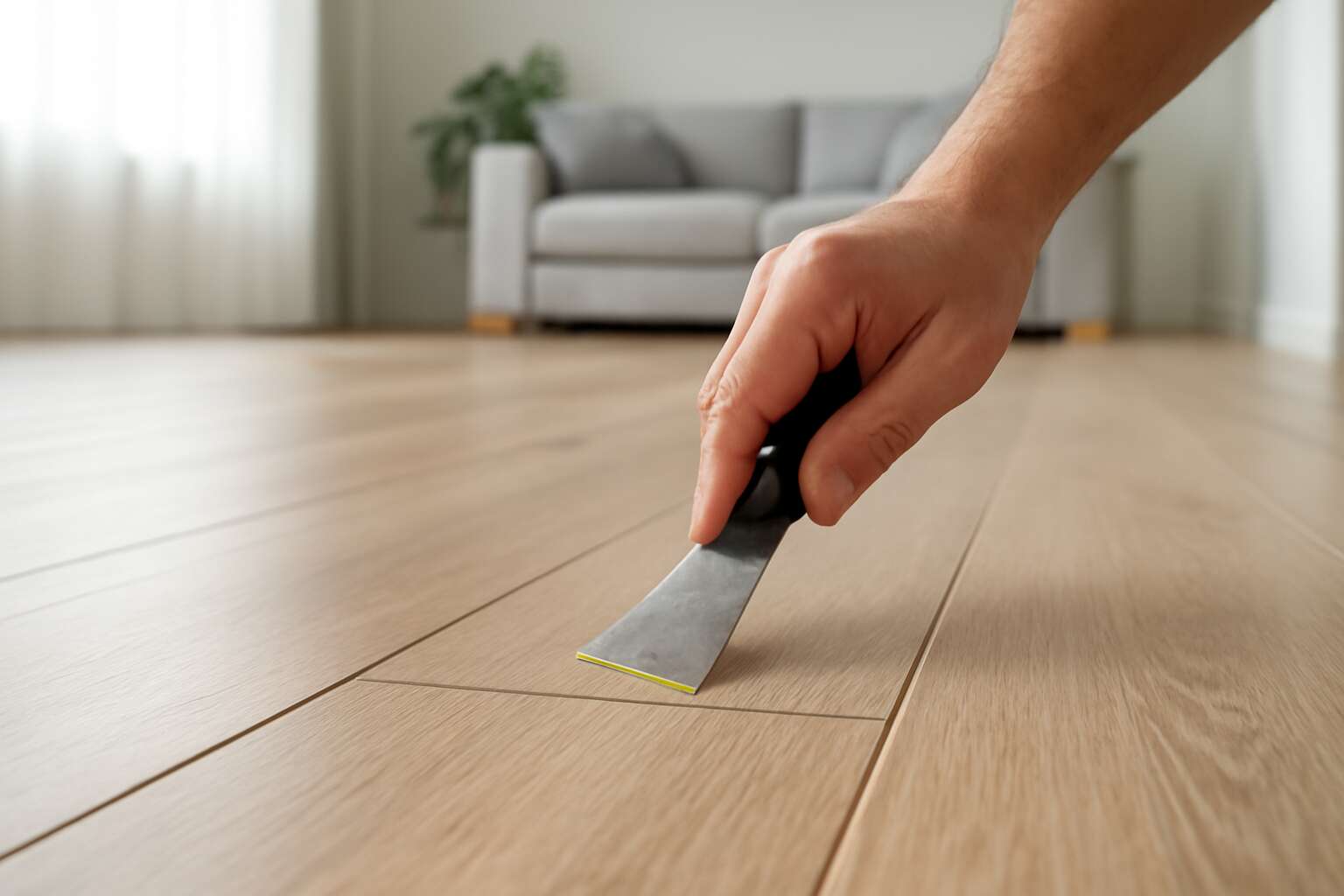
Understanding laminate floor expansion gaps
What are expansion gaps in laminate flooring
A floor’s true strength is its ability to breathe. In South Africa’s climate, humidity and heat swing like a pulse, nudging laminate boards to drift apart. The laminate floor expansion gap filler remains a quiet ally, preserving a clean line while the floor moves with the air.
Expansion gaps aren’t imperfections; they’re design elements around the room that give planks room to expand and contract, preventing buckling as conditions shift.
- Accommodate moisture-driven swelling
- Prevent buckling by enabling movement
- Maintain a tidy finish that respects rhythm
Understanding the role of laminate floor expansion gap filler helps maintain aesthetics without compromising function, a balance South Africans expect from a trusted flooring solution.
Why expansion gaps are essential for durability
A single millimeter can redraw a room’s silhouette, especially in South Africa’s climate where heat and humidity dance through the seasons. Laminate floor expansion gaps set the stage for this rhythm, and laminate floor expansion gap filler keeps the line pristine as boards breathe with the air around them.
These gaps are deliberate design allowances that let planks swell and retreat without buckling. They preserve the floor’s rhythm from wall to wall, even as temperatures swing. Choosing a filler that matches tone and remains flexible helps the joints look intentional rather than crowded.
Key considerations for durability include:
- Movement is anticipated, never forced
- Fillers blend with trim and boards for a seamless look
Where expansion gaps are located in a room
Gaps in a laminate floor aren’t flaws; they’re the floor’s polite compromises. In South Africa’s climate, those micro-adjustments keep the line honest as seasons push and pull the boards. Understanding where expansion gaps live helps the room breathe with confidence.
Here are the common homes for expansion gaps:
- Along exterior-perimeter walls, where planks meet the room to accommodate wall movement
- Around fixed features such as kitchen islands, cabinets, or built-ins
- At transitions between rooms or where the flooring grade changes, including door thresholds
Choosing a suitable laminate floor expansion gap filler helps keep the line seamless while the boards breathe. The goal isn’t to erase gaps but to harmonise them with trim and surrounding boards, so the room retains its rhythm without crowds or creases. The result is a floor that ages with grace, not a floor that complains with creaks in the night.
Common signs of improperly filled gaps
Gaps aren’t flaws; they’re the floor’s polite yawn against a dry SA winter and a wink at humidity swings. In South Africa, those micro-movements keep the line honest as seasons tug at the boards. Understanding laminate floor expansion gaps helps readers read the room and not chase phantom creaks around the furniture.
Common signs of an improperly filled gap include:
- Uneven seams where edges look misaligned or raised
- Squeaks, creaks, or a noticeable give when you step
- Gaps that widen with humidity and shrink in dry spells
When this happens, professionals know that the right laminate floor expansion gap filler can restore rhythm without crowding the boards.
Types of gap fillers for laminate floors
Caulk vs putty vs flexible sealants for laminates
Gaps aren’t flaws; they’re seasonal weather in disguise, reminding us that a floor must breathe. In South Africa’s homes, this truth guides the way we care for laminate skin and joints through heat and rain.
Three families of gap fillers commonly grace laminate floors:
- Caulk, silicone or acrylic, for flexible, water-resistant seals
- Putty, traditional and paintable, for a wood-like finish
- Flexible sealants, hybrid polymers that move with the plank
The laminate floor expansion gap filler you choose matters in how rooms breathe.
Caulk offers elasticity, putty yields a traditional look, and flexible sealants blend with movement. In this climate, the choice shapes the quiet drama of your space.
Acoustic and moisture barrier fillers
Gaps aren’t flaws; they’re climate notes written into your floor. In South Africa, where heat rushes in and rain lingers, the right laminate floor expansion gap filler keeps the scene tranquil and durable. Choose wisely—it’s a smart choice that preserves a living, breathing surface that ages gracefully.
Acoustic and moisture barrier fillers stand out for their dual role: dampening sound and resisting moisture intrusion. They adapt to seasonal shifts, ensuring the boards glide rather than grind, and they help protect subfloor integrity in coastal or humid pockets of the country. A quiet floor speaks volumes about care.
- Flexibility to move with seasonal contractions and expansions
- Moisture resistance that guards against swelling and warping
- Compatibility with common underlays and finishes
In the end, movement-friendly materials quietly shape a room’s character, balancing comfort with longevity.
Pre-mixed wood filler options for small gaps
Gaps that are tiny aren’t flaws; they’re whispers in the floor’s story. For small gaps, you want a filler that dries smooth and takes stain with discretion. A laminate floor expansion gap filler may be overkill here; pre-mixed wood filler options offer a tidy, quiet fix that suits South Africa’s variegated light and timber tones.
- Ready-mixed wood filler
- Acrylic-based filler
- Epoxy putty (two-part)
These pre-mixed options keep surfaces calm under the eye of guests and through seasonal shifts, preserving the floor’s quiet rhythm without stealing the scene.
How to choose the right filler for your laminate species
Gaps aren’t flaws; they’re the floor’s way of negotiating with the room. In South Africa, selecting the right laminate floor expansion gap filler helps preserve a calm, even look as humidity and temperature swing.
Types of gap fillers for laminate floors range from flexible acrylic sealants to two-part epoxy putties and stainable wood-filler designed to mimic timber. The choice depends on movement, depth, and how much the finish needs to blend with the plank.
- Flexible acrylic sealants for minor, ongoing movement
- Two-part epoxy putties for deeper or stubborn gaps
- Stainable wood-filler for matching timber tones
When choosing, match the filler to the laminate species and the tone you want to maintain; the right option supports the floor’s quiet rhythm without drawing attention to itself.
Installation and application methods
Step by step for filling expansion gaps
“A floor that breathes lasts longer.” That South African carpenters’ mantra guides every careful install. When moisture and warmth swing through a room, that certainty translates into a neat, flexible finish you can trust—and the key is a proper laminate floor expansion gap filler. The goal is a seamless look that honors the floor’s natural movement, not fights it.
- Clear the area of dust and moisture, then dry the boards.
- Test a small spot for colour and flexibility.
- Apply the laminate floor expansion gap filler along the gap with a flat spreader.
- Wipe excess immediately and smooth for a flush edge.
- Let it cure according to the manufacturer’s instructions before use.
In South Africa, a proper routine pays off as coastal humidity shifts inland. A neat seam means quieter floors and fewer future repairs.
Tools and materials you’ll need
Coastal humidity in parts of South Africa can swing a room’s moisture by as much as 20% in a week, and a floor that breathes lasts longer. That’s where laminate floor expansion gap filler steps in as a quiet partner, preserving the floor’s natural rhythm during every careful installation.
Tools and materials you’ll need to install and apply the filler confidently include the following:
- Flat spreader or margin trowel for a clean edge
- Putty knife and flexible sealant cartridge if needed
- Caulking gun for controlled application
- Color-matched filler compatible with your laminate species
- Moisture meter and damp cloths for cleanliness
- Protective gloves and a dust-free workspace
Keep the area dry, test a small spot for colour, and follow the filler’s curing instructions. With patience and care, the seam stays discreet as the boards breathe with the room.
Best practices for clean edges and long-lasting results
Coastal humidity in parts of South Africa can swing a room’s moisture by as much as 20% in a week, and a floor that breathes lasts longer. The laminate floor expansion gap filler acts as a quiet partner, preserving the floor’s natural rhythm during every installation, even as climate nudges seams subtly yet insistently.
For best results, ensure a clean, dry surface and assess colour compatibility in a discreet corner before full application. The goal is edge integrity—a crisp seam that remains discreet as the filler cures. Patience, a measured hand, and a gentle settling of the material foster long-lasting performance and aesthetic calm.
Let the filled seams meet the room’s breath and watch as the floor stays true through changing conditions.
Temperature and curing considerations
Coastal SA humidity can swing by as much as 20% in a week, turning a calm hallway into a weather report for your floors. The laminate floor expansion gap filler quietly does the heavy lifting—your floor’s patient hero, maintaining a discreet seam as the room breathes and shifts with the climate.
Temperature and curing aren’t trivia. Keep the space in a stable range—about 18–24°C—and let the surface dry fully before the filler meets its moment. This patience prevents a crooked cure and preserves edge integrity, with a dash of South African resilience!
Key considerations:
- Ambient conditions: steady temperature, controlled humidity
- Surface prep: dry, dust-free, and clean
- Material compatibility: elasticity and colour blend
Let the filler settle and your floor stay true as seasons change, with a quiet partner that never bells the seams.
Maintenance, pros and cons, and cost considerations
When to DIY and when to call a pro
Maintenance around expansion gaps doesn’t shout for attention, but it saves you from headaches down the line. In our climate, keep humidity stable, wipe edges, and check for any tiny movement. A proper laminate floor expansion gap filler is part of regular upkeep.
Pros and cons: A good filler seals out moisture, accommodates seasonal movement, and keeps joints looking neat. The downsides: cheaper products can crack or discolor; color matching is tricky; if misapplied, you may trap moisture and invite swelling. Weigh options carefully.
Cost considerations: DIY materials are affordable, with small jobs staying under a few hundred rand, while professional gaps work adds to the bill but includes a guarantee.
- DIY-friendly scenarios: small, unobtrusive gaps and standard filler options that match the laminate profile.
- When to call a pro: large or uneven gaps, suspected subfloor issues, or persistent movement that requires professional assessment.
Pros and cons of different filler types
“The expansion gap is not a nuisance, it’s a necessity,” a seasoned installer reminds me. Maintenance around these gaps is quiet work, but essential: keep humidity stable, wipe the edges, and watch for tiny shifts. A proper laminate floor expansion gap filler belongs in regular upkeep, not in a last‑moment repair.
Pros and cons of different filler types surface as seasons swing. Flexible acrylics or polyurethane sealants absorb movement and seal moisture, but may yellow. Hard putties match colour but can crack; silicone blends poorly with timber and can trap moisture.
- Flexible sealants: resist movement and seal moisture
- Rigid putties: crisp joints but risk cracking or color mismatch
- Silicone: moisture resistance with challenges in colour matching
Cost considerations: DIY materials are affordable, with small jobs staying under a few hundred rand, while professional gaps work bumps the bill but includes a guarantee.
Maintenance tips to prevent new gaps
Gaps aren’t accidents; they’re the lungs of a living floor. When humidity stays steady and seasons don’t swing wildly, boards breathe with ease. A laminate floor expansion gap filler belongs to maintenance, not a last‑moment fix. Keep edges wiped, and I watch for tiny shifts as the year tilts.
- Flexible sealants absorb movement and seal moisture
- Rigid putties offer crisp joints yet risk cracking
- Silicone resists moisture but can be tricky to colour-match
Pros and cons of different filler types surface as seasons swing. Flexible sealants absorb movement and seal moisture, but may yellow. Rigid putties offer crisp joints yet risk cracking. Silicone resists moisture but can be tricky to colour-match. These trade-offs guide careful selection for longevity.
DIY materials stay affordable, often under a few hundred rand, while professional gaps work adds a guarantee and faster results.
Cost comparison and value over time
Seasonal humidity swings in South Africa can turn a quiet room into a chorus of creaks. A laminate floor expansion gap filler is not a flashy fix but steady maintenance, a shield against capricious weather that makes boards admit and release a little at a time. Gaps aren’t accidents; they’re the living floor’s breathing space. I watch edges for tiny shifts as the year tilts.
Pros and cons surface as the year tilts. Flexible sealants tolerate movement and moisture; rigid putties keep lines crisp but may crack; silicone resists dampness yet challenges colour-matching. The choice hinges on the floor’s temperament and tolerance for touch-ups.
- Movement and moisture tolerance
- Colour matching ease
- Longevity and maintenance needs
Cost considerations frame value over time. DIY materials stay affordable, often under a few hundred rand, while pro gaps work offers a warranty and speed. Over the long arc of a floor, the right filler adds quiet durability and resale appeal, shaping a room’s steadiness rather than drift.



0 Comments