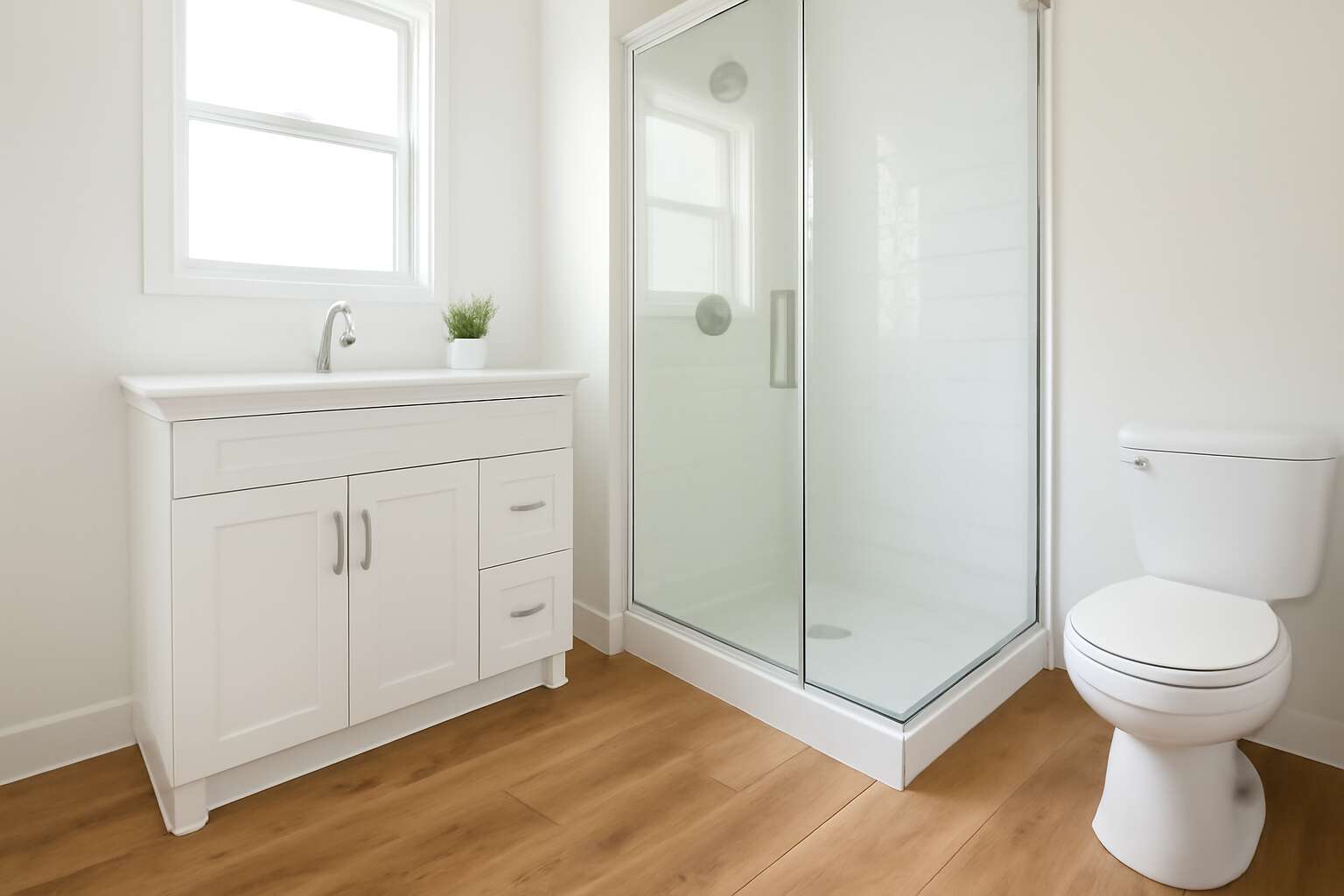
Laminate Flooring in Bathrooms: Quick Overview
What qualifies as bathroom-appropriate laminate
Moisture is the boss of bathroom floors, and in South Africa that’s no small claim. can laminate flooring be used in a bathroom? A designer’s note reminds us the material must endure splashes and steam, not just look good. I’ve watched damp corners prove which laminates survive the test of time—those built for moisture resilience win the day.
Quick overview of what qualifies as bathroom-appropriate laminate: water-resistant core, sealed edges, a robust wear layer, an underlayment suited to humidity, and a warranty that stands up to bathroom life.
- Water-resistant or waterproof core
- Sealed edges to resist moisture
- Thick, tough wear layer
- Underlay designed for bathrooms and humidity
- Warranty that covers bathroom use
In practice, the right laminate isn’t a guarantee—yet with careful selection, I’ve seen it offer a durable and stylish option for South African bathrooms.
Water resistance vs waterproof: a quick distinction
In South Africa, bathroom moisture is a constant companion—damp corners and steamy showers test more than the lungs of a home! This is where the question takes center stage: can laminate flooring be used in a bathroom.
Here’s a quick overview of how water resistance differs from waterproofing in laminate:
- Water-resistant laminates shrug off routine splashes and humidity, reducing the risk of warping or edge swelling.
- Fully waterproof options exist, but they’re rarer in traditional laminates and rely on specialized cores or sealing methods to keep moisture at bay.
Choosing for a South African bathroom means balancing humidity resilience with a design story that lasts as long as the steam does.
Common laminate products for bathrooms
South Africa’s bathrooms aren’t shy about moisture—steam, damp corners, and that constant humidity in the air. The big question still stands: can laminate flooring be used in a bathroom? The short answer hinges on the product’s core and how well it keeps moisture at bay. It’s a delicate balance between design ambitions and practical resilience, especially when heat and humidity tag along!
Common laminate products for bathrooms keep that balance in mind.
- Water-resistant laminates with sealed edges
- SPC (stone-plastic composite) or WPC cores for extra stability
- Fully sealed or coated edges to guard against moisture
These options give designers room to play with texture and tone while weathering South Africa’s steamy realities.
Moisture management basics before install
In South Africa, bathrooms carry their own weather—the air thick with steam and damp corners even after a long shower. That is where design meets pragmatism. So, can laminate flooring be used in a bathroom? The answer hinges on moisture management before install and on choosing a core that stands up to humidity and heat, not just looks alone.
Moisture management basics before install:
- Ensure the subfloor is dry and level.
- Acclimate boards in the bathroom for 48 to 72 hours.
- Install a moisture barrier and seal joints to limit moisture intrusion.
With these precautions, you can enjoy the warmth and texture laminate offers while keeping bathrooms resilient through SA’s humid days.
Material Options and Performance in Bathrooms
Waterproof and water-resistant laminate explained
Moisture is the silent antagonist in SA bathrooms. This section looks at Material Options and Performance in Bathrooms, with Waterproof and water-resistant laminate explained. Readers often ask: can laminate flooring be used in a bathroom? The answer hinges on core technology and edge sealing rather than style.
Options include waterproof cores (HDF with protective seals) and robust wear layers, designed to resist humidity and daily traffic. For SA homes, coastal environments demand products engineered for damp settings.
- Waterproof or water-resistant classifications with a solid seal
- Durable wear layers that resist humidity
- Reliable locking systems that minimize gaps
Performance depends on how a laminate handles humidity and routine cleaning; seek options tested for damp spaces and backed by solid warranties. These choices maintain warmth and appearance while controlling swelling and damage over time.
Core materials and impact on bathroom longevity
Humidity is the silent antagonist in SA bathrooms, especially along the coast. Core materials and edge sealing are the real deal-breakers, not fashion. can laminate flooring be used in a bathroom — yes, but only if you hire the right armor: waterproof or water-resistant cores and durable edges that shrug off splashes. For coastal homes, the bottom line is damp settings demand engineered solutions.
- Waterproof cores (HDF with protective seals) that resist swelling
- Robust wear layers designed to handle humidity and daily scrapes
- Reliable locking systems that minimize gaps and moisture intrusion
Core materials and their impact on bathroom longevity can’t be an afterthought. In SA damp spaces, products tested for bathrooms and backed by solid warranties stay warmer, look sharper, and swallow fewer moody splashes. Coastal environments demand engineered resilience, so longevity follows quality core choices and edge protection.
Anti-mold and wear layer considerations
Coastal South Africa reveals a paradox: luxury thrives where humidity presses close, and bathrooms become theatres of resilience. I watch the moisture lend a silvery tremor to the air, and still see beauty endure. The truest beauty in laminate stories is not the pattern but the way materials answer water, light, and touch. In this climate, the first act is choosing resilient cores and sealed edges that stay calm under splash.
I have learned that material options designed for bathrooms hinge on engineered cores that resist swelling and wear layers thick enough to endure daily scrapes. Anti-mold performance and precise edge sealing turn damp rooms into confident showcases. can laminate flooring be used in a bathroom? It can, when the science of moisture meets the poetry of design and a coastal home demands engineered resilience.
- Waterproof or water-resistant cores to resist swelling
- Thick wear layers for anti-mold performance
- Precise locking and tight edges to seal moisture
Floating floor vs glued installations in wet areas
In coastal South Africa, where sea spray and showers kiss the tile, material choices must be both serene and sturdy. I’ve learned that engineered cores resist swelling and resilience defines the boundary between beauty and regret. The glamour is in resilience—edges stay tight, joints breathe, and a surface gleams after every splash!
Material options and performance in bathrooms lean on two installation philosophies. These choices unlock refined confidence!
- Floating floors with moisture-tolerant underlayment
- Fully glued installations for maximum edge protection
These choices help regulate moisture movement while keeping the surface feeling luxurious underfoot.
In practice, can laminate flooring be used in a bathroom? Yes—it’s about how the core and the seal hold up to daily dampness in a coastal home.
AC ratings and durability in bathroom traffic
Coastal South Africa bathrooms endure spray and humidity like nowhere else, and the right laminate can stay serene under daily dampness. AC ratings guide resilience, and the wear layer keeps the surface gleaming through every splash. Can laminate flooring be used in a bathroom? The short answer is yes, when the core resists swelling and the edges stay sealed—and when moisture movement is managed beneath a soft, tactile underfoot.
- AC ratings and wear layer choices that suit bathroom traffic
- Moisture-resistant cores that minimize swelling in coastal humidity
In day-to-day use, durability in bathroom traffic means fewer edge gaps and a floor that stays comfortable under foot, even after a dozen showers and countless wipe-downs. Coastal South African homes benefit from a product labeled for bathrooms, where a stable core and robust wear layer translate into lasting beauty and quiet confidence.
Eco-friendly and low-VOC options for baths
Material options for bathrooms must balance resilience with conscience. In Coastal South Africa, can laminate flooring be used in a bathroom? The answer hinges on moisture-friendly cores and tight edge sealing, plus finishes that stay stable under spray and damp air, proving that performance and serenity can coexist in a coastal home.
Eco-friendly and low-VOC options help protect indoor air without sacrificing durability. Consider these practical choices:
- Formaldehyde-free boards and low-VOC finishes
- Water-based adhesives and sealants
- Recycled-content backings and sustainably sourced materials
- Low-smell, durable coatings designed for wet environments
When moisture movement is managed beneath a soft, tactile underfoot, these choices perform reliably, keeping bathrooms comfortable and beautiful through daily dampness.
Pros, Cons, and Suitability in Bathroom Environments
Key advantages of laminate for bathrooms
Pros abound when laminate enters the bathroom’s pale light: budget-friendly glamour, a swift install, and a warmth underfoot that belies the tile’s chill. Its visuals range from timber to stone, and the surface resists the scuffs of daily life with quiet grace.
- Realistic visuals that stay elegant with minimal upkeep
- Quicker fit than many alternatives, reducing labour time
- Underfoot comfort that softens the bustle of a busy SA home
But the cons whisper caution: standing water can seep and swell edges, inviting warps if moisture sneaks in. In humid bathrooms, a tired seal and notorious spills threaten long-term clarity and luster.
Can this endure the bath’s bravado? For those weighing the question, can laminate flooring be used in a bathroom, the answer hinges on product grade, sealant ritual, and diligent ventilation. With careful planning, the installation approach can align with a damp-dream mood.
Main drawbacks and risks
Moisture is the silent thief in SA bathrooms, stealing shine in seconds. The question can laminate flooring be used in a bathroom haunts every decision, like a shadow at the door. With the right gaze, it can endure the damp, if planned.
Pros rise with a pale glamour that outshines the chill of tile underfoot.
- Realistic visuals that stay elegant with minimal upkeep
- Quicker fit than many alternatives, reducing labour time
- Underfoot comfort that softens the bustle of a busy SA home
The cons whisper caution when moisture pools and edges bow. Standing water can seep and swell edges, inviting warps if moisture sneaks in. In humid bathrooms, a tired seal and spills threaten long-term clarity and luster.
Suitability hinges on product grade, sealant ritual, and diligent ventilation. With careful planning, the installation approach can align with a damp-dream mood.
When to consider alternatives such as tile or vinyl
Pros: Damp spaces crave warmth, and laminate flooring can meet that longing with quiet poise. can laminate flooring be used in a bathroom—the question, in South Africa’s homes, hinges on grade and planning; with the right underlay and ventilation, it can feel surprisingly resilient!
- Surface that mimics natural stone with less upkeep
- Faster installation, trimming labour time on site
Cons: Moisture stalks the margins, edges bow, and standing water can invite swelling if the seal falters. In humid SA bathrooms, long-term clarity can be eroded by spills and steam.
Suitability: The call rests on product grade, the rigor of sealing, and robust ventilation. When to consider alternatives such as tile or vinyl becomes clear in spaces prone to frequent wet-zone use or where moisture management demands redundancy rather than hope.
Installation Guidelines and Best Practices
Subfloor moisture testing and prep
Humidity is the thief in a bathroom, stealing years from even the stoutest plank. Can laminate flooring be used in a bathroom? Only when the stage—the subfloor—is dry, honest, and stubborn enough to resist creeping damp.
Subfloor moisture testing and prep are non-negotiable. For concrete, run ASTM F2170 humidity tests or the calcium chloride method, and stay within the manufacturer’s tolerance. Wood subfloors must be dried and sealed with a proper vapor barrier. Acclimate the product in the space for 48 hours to reveal true behavior.
- Moisture testing readings should align with the installer’s method and product spec.
- Vapor barrier choices should suit a bathroom environment and the laminate core.
- Ambient humidity should be stabilized during and after installation to prevent surprises.
Only then does the whispered question turn to a measured, practical yes for South African baths.
Underlayment choices for moisture-prone bathrooms
Bathrooms test more than aesthetics; humidity is a sly artisan, carving away at plank edges. can laminate flooring be used in a bathroom, the question lingering as a practical point. The answer hinges on the subfloor staying dry and the finish staying honest under daily dampness.
Underlayment choices matter more in moisture-prone spaces. In our experience, look for products with an integrated vapor barrier and closed-cell foam; avoid fabrics that wick moisture. A well-chosen underlayment reduces sound and guards against damp creeping up from the subfloor.
- Closed-cell foam underlayment with a built-in vapor barrier
- Moisture-resistant cork underlayment compatible with laminate
- Sheet-applied barriers that resist wicking and mold
These options suit South African bathrooms, where heat and humidity patterns differ regionally.
Sealing edges and transitions to prevent leaks
In bathrooms, moisture isn’t a guest—it’s a resident! So, can laminate flooring be used in a bathroom? The answer isn’t a hard no; it’s a careful yes rooted in keeping the subfloor dry and the finish intact, even as daily dampness circles. In South Africa, where humidity swings across regions, sealing edges and transitions become part of the design narrative rather than a concession to Mother Moisture.
Sealing edges and transitions requires mindful choices that balance beauty with barrier integrity. Consider these aspects:
- Edge sealing considerations to prevent leaks along the perimeter
- Transitions that minimize moisture creeping from room to room
- Materials that resist wicking and maintain a clean finish
When installation meets these concepts, the floor endures and tells a story of coastal breezes and highveld heat—where can laminate flooring be used in a bathroom becomes a tale of resilience.
Expansion gaps and layout planning in small baths
Moisture stalks the bathroom like a shadow, and in this climate the question lingers: can laminate flooring be used in a bathroom? The answer is a careful yes, if you guard the subfloor and dominate the edges. In South Africa’s varying humidity, expansion gaps and transitions become design decisions, not compromises to dampness.
Installation guidelines dictate an expansion gap of about 8–12 mm along the perimeter for floating layouts. In snug baths, we sketch the layout first, map door swings, and anticipate long runs so joints don’t trap moisture.
For small baths, we align boards with the room’s length to stretch the space, avoid passing a seam across the doorway, and keep the underlayment moisture-ready. Where space is tight, choose a profile transition that reads as a feature rather than a fault.
- Expansion gaps 8–12 mm
- Smart door/threshold transitions
- Moisture-ready underlayment
Tools, techniques, and common mistakes to avoid
Bathrooms are humidity magnets, and the burning question remains: can laminate flooring be used in a bathroom? It’s not a reflex yes, but with serious prep—guard the subfloor, manage moisture, and master the edges—you can pull it off. In South Africa’s fickle climate, smart installation decisions trump dampness more than you’d think.
Here are practical tools and techniques that keep leaks at bay and joints tidy:
- Moisture meter, straightedge, and a flatness check to start on a solid foundation
- Quality spacers, tapping block, and pull bar for precise, gap-free seams
- Sharp utility knife and fine-tooth saw for clean cuts that fit doorways and transitions
- Ventilation during cutting and selective sealing around thresholds to curb moisture exposure
Common pitfalls to avoid—without turning every project into a cautionary tale—include rushing endpoint cuts, neglecting careful edge alignment near doors, and skimping on sealing around transitions. Take a breath, measure twice, and you’ll enjoy a bathroom that pretends to be waterproof without pretending it’s not laminate.
Maintenance, Longevity, and Repairs in a Bathroom Setting
Daily and weekly cleaning tips that protect laminate
Humidity spikes in South African bathrooms can exceed 60%, turning the room into a moisture battleground. So, can laminate flooring be used in a bathroom? The answer isn’t black and white; it hinges on moisture control, product quality, and how the space is used.
Maintenance and cleaning shape how long laminate lasts in damp zones. Daily care means quick blotting of spills and avoiding standing water; weekly cleaning favors non-abrasive products and gentle routines that spare the wear layer.
- Moisture management and ventilation
- Gentle cleaning to protect the wear layer
- Prompt assessment of any swelling or edge gaps
Longevity and repairs depend on ongoing moisture management and monitoring for signs of wear. If swelling or edge lifting appears, seek professional assessment rather than DIY fixes, and plan for sensitive repairs that respect the floor’s core.
Handling spills and water exposure promptly
Maintenance in a damp bathroom is a quiet art, where timing saves surfaces. can laminate flooring be used in a bathroom? The answer hinges on moisture control, product quality, and mindful use—the trio that keeps the story upright in humid corners of South African homes.
Longevity blooms where spills are tamed and ventilation keeps the air clear. Promptly handling spills and water exposure protects the wear layer and slows the march of wear across the surface.
- Early swelling indicators at plank edges
- Edge lifting or cupping
- Persistent moisture around transitions
Repairs require tempered hands and professional eyes; if swelling or edge lifting appears, seek expert assessment rather than DIY fixes, and plan for repairs that respect the core.
Repairing damaged boards and recognizing swelling
Maintenance in a damp bathroom is a quiet art, where moisture control and robust ventilation keep surfaces singing. The question can laminate flooring be used in a bathroom is settled by quality materials and mindful use, especially in South African homes where humidity can be capricious. When water exposure is managed, the wear layer remains resilient and colour keeps its charm.
Longevity blooms when spills are tamed and airflow stays steady. A well-chosen core and proper sealing resist the tide of humid days, letting the floor endure through busy mornings and warm afternoons without surrender.
Repairs require tempered hands and professional eyes; if swelling or edge lifting appears, seek expert assessment rather than DIY fixes, and plan for repairs that respect the core.
- Early swelling indicators at plank edges
- Edge lifting or cupping
- Persistent moisture around transitions
Humidity control and seasonal care for bathrooms
Maintenance in a damp bathroom is a quiet art, a rhythm that favours regular cleaning, prompt spill management, and steady airflow; the question can laminate flooring be used in a bathroom when the climate is hospitable and the core and seal are sound.
Longevity is about weathering the seasons with steady care. In SA, humidity swings with rain and high sun, so a floor’s endurance depends on moisture control and proper layout cues.
- Seasonal humidity shifts
- Ventilation alignment
- Prompt drying of spills
Repairs require measured judgment and expert eyes; if swelling or edge lifting appears, seek assessment rather than DIY fixes, and plan for care that respects the core.

0 Comments