Laminate Flooring Setup and Pattern Guide
Plank Orientation and Room Perception
Patterns reshape space as much as light does. The right laminate flooring layout can make a compact living room feel airier and longer, especially in sunny South African homes. A deliberate plank direction guides the eye toward windows and doorways, creating a calm rhythm with furniture and foot traffic. It’s about balance, not guesswork!
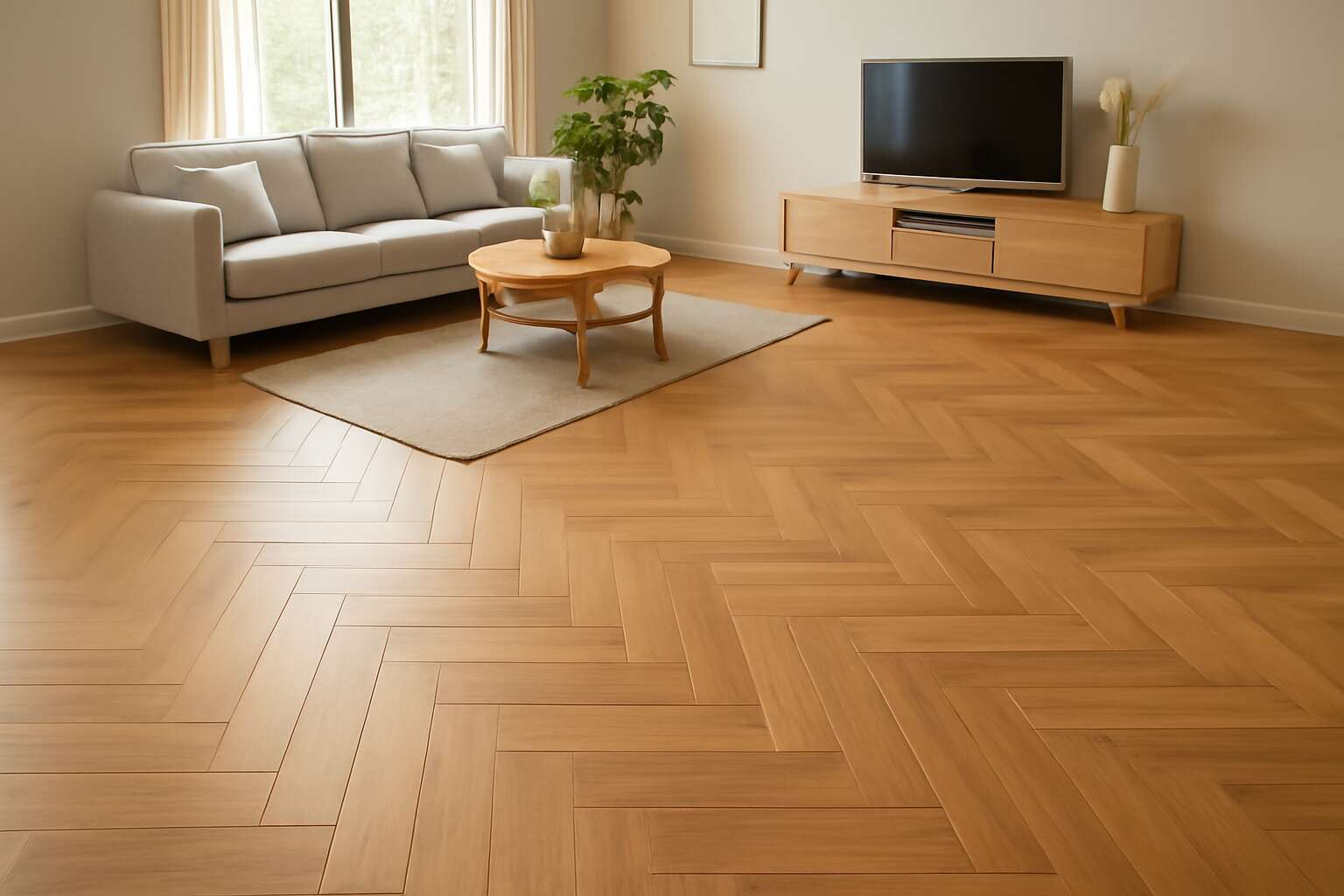
In setup and pattern choice, plank orientation sets the tone. A straight lay adds length to small rooms, while staggered joints mimic timber and boost visual stability. For drama, a diagonal or herringbone pattern opens up tight spaces without shouting for attention.
- Straight plank: clean lines for narrow rooms.
- Staggered joints: natural wood feel with stability.
- Diagonal layout: widens spaces and adds character.
Room Perception and color choices influence how the space reads day and night. Lighter shades push back corners; darker boards anchor a room. In South African homes with open-plan layouts, the alignment of planks can subtly guide traffic and illuminate textures.
Pattern Options and Visual Effects
“Pattern is the quiet architect of space,” a designer notes, shaping how a room reads as surely as sunlight. In South African homes, the laminate flooring layout interacts with open sightlines to make a compact lounge feel more expansive, humming with a rhythm that guides the eye toward windows and doorways. A thoughtful setup and pattern guide unlocks subtle drama without shouting for attention.
Pattern options and visual effects range from restrained grids to modular showcases—parquet-inspired modules or offset planks that echo crafted floors. The aim is texture and movement that stay balanced with natural light. Consider how the planks land across space: a consistent grain unifies, while gentle variation adds vitality.
- Underlay choices and moisture barriers
- Expansion gaps and transitions
- Color consistency across lots
- Lighting and reflected textures
Every option adds a tactile memory to the floor, shifting with sun and footfall, translating space into living presence.
Measurement, Centering, and Starting Points
When space is a stage, pattern and proportion do the talking. A designer quips, “Lines tell a story before furniture enters.” In South African homes, a careful laminate flooring layout acts as the quiet conductor of light and movement, guiding the eye toward windows and doorways.
Measurement and centering become design currency here, shaping how rooms read without shouting. The starting point—often near a central axis or focal wall—sets a rhythm that carries through transitions, letting texture and shade meet softly rather than collide.
- Rhythm over rigidity
- Center line as anchor
- Light as partner
The aim remains balance, where edges and grains converse with daylight.
Transitions, Trims, and Subfloor Prep
In South Africa’s bright mornings, a floor that breathes with light can make or break a room—one interior design brief I read suggests 68% of a space’s mood comes from the floor. A well-planned laminate flooring layout guides light and traffic from the door to the windows.
Transitions and trims frame the journey between spaces, while careful subfloor prep keeps patterns crisp and stable.
- Transitional layouts conceal seams for a clean flow
- Trim profiles that echo cornice lines and door frames
- Subfloor prep for flatness and moisture control
The setup isn’t about filling gaps; it’s about letting texture meet daylight in a disciplined, elegant cadence.


0 Comments