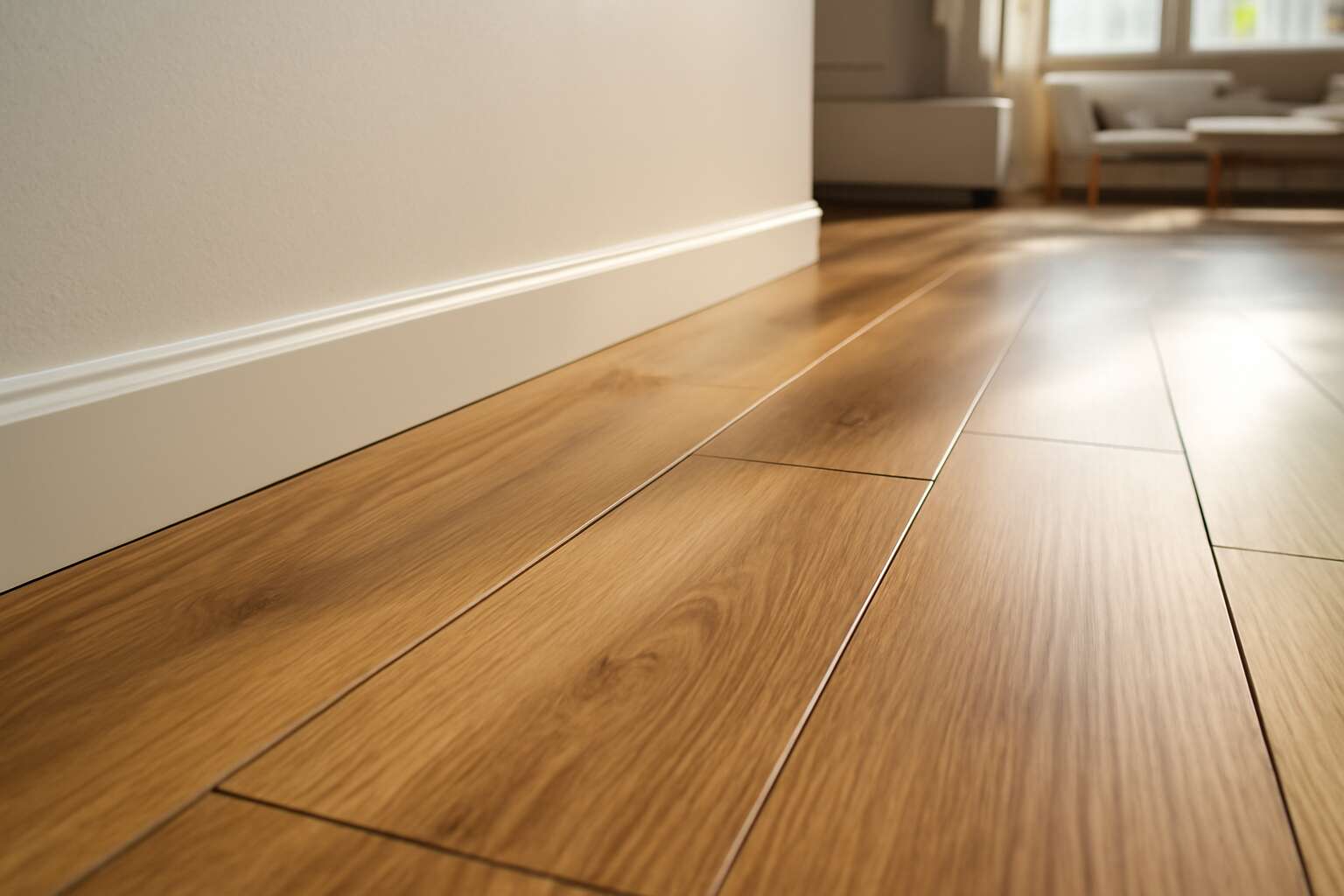
Understanding Laminate Floor Expansion Joints
What is an Expansion Joint in Laminate Flooring
In South Africa, the floor isn’t just a surface—it breathes with the seasons. A seasoned installer often quips, “If the house breathes, the floor must adapt.” That mindset frames how we think about movement and space underfoot.
An expansion joint in laminate flooring is a small gap that allows boards to expand and contract with humidity and temperature. Without it, edges press, boards buckle, and the room loses its quiet rhythm.
The laminate floor expansion joint is usually woven into the perimeter and transitions, ensuring movement is absorbed rather than fought. It matters more in South Africa’s climate where coastal humidity meets inland heat.
- Perimeter gaps along walls
- Junctions where the floor meets fixed cabinets or islands
- Door thresholds and transitions to other flooring types
Why Expansion Gaps Matter in Laminate Installations
In SA homes, the floor breathes with the seasons, and the laminate floor expansion joint is the quiet mediator between boards and room. Far from a flaw, it grants space for swell and retreat, keeping edges from pressing and buckling while preserving the room’s calm rhythm. Understanding why expansion gaps matter helps us align with the natural tempo of timber and resin, so design and climate harmonise rather than clash.
- Humidity and heat cycles coax subtle, seasonal changes in panel width.
- Subfloor flatness and installation tolerances influence how joints perform visually.
- Transitions across thresholds and cabinet alignments guide movement without friction.
When balance is honoured, the laminate floor expansion joint becomes a breath rather than a gap—an invisible conductor keeping rooms in tune with South Africa’s climate.
Common Causes of Expansion Gaps in Laminate Floors
In South Africa’s climate, floors breathe with the seasons, and the laminate floor expansion joint acts as the quiet mediator between timber and threshold. This isn’t a flaw but a living rhythm, granting boards space to swell and retreat so edges stay calm and the room keeps its steady tempo.
Several factors quietly widen those spaces. The most common culprits include:
- Inadequate acclimation of materials.
- Moisture migration from damp subfloors or slabs.
- Poor subfloor flatness and installation tolerances that misalign joints.
Each factor invites design resilience—space, balance, and quiet transitions—so the expansion joint is read as breath rather than a border, a testament to climate-conscious craft.
Differences Between Expansion Joints and Seams
Movement is not a defect; in South Africa’s shifting climate, floors flex with the seasons. As one seasoned installer puts it, “movement is the room’s breathing.” A laminate floor expansion joint is the deliberate buffer that keeps edges calm while boards swell and retreat. A seam, by contrast, is simply where two boards meet. This distinction guides placement and aesthetics, ensuring room rhythms stay ordered rather than rattling apart with every humidity swing.
Different as they are, the two terms describe complementary roles. The following distinctions help planners place every element with intention:
- Purpose: expansion joints absorb seasonal movement; seams connect boards.
- Location: expansion joints sit at perimeters, transitions, and wide doorways; seams align board edges along rows.
- Finish: expansion joints are discreetly trimmed; seams exist along board joints without disruption.
In practice, the laminate floor expansion joint reads as measured breathing—calm, not conspicuous.
Planning and Measuring for Expansion Joints
Preparing the Subfloor and Substrate
Accumulated wisdom in South African homes suggests that the hero of any floor is a laminate floor expansion joint. A veteran installer once quipped, “If you ignore the gaps, the floor will remind you bluntly in the middle of winter.” The lesson is plain: planning shapes performance more than fancy planks ever will.
When planning, consider how rooms flow and where traffic concentrates. Measuring, in this sense, is about intention as much as inches— joints must breathe with seasons and loads. The laminate floor expansion joint isn’t garnish; it is a structural consideration that should inform space planning. To keep the tone cultured yet practical, factors matter:
- Room geometry and traffic patterns
- Humidity shifts and climate expectations
- Future furniture and appliance placement
Subfloor discipline follows planning. Substrate assessment is not glamorous, yet its influence is unmistakable: flatness, dryness, and adhesion readiness set the stage for a durable joint to perform.
Guidelines for Gap Width and Placement
The floor isn’t static; it’s a weathered compass that points to winter and summer alike. In South African homes, planning for a laminate floor expansion joint reads the house like a living map—considering how rooms flow, where traffic concentrates, and how the air itself moves. A veteran installer whispered, “If joints listen, they endure.”
- Align joints with transitions like doorways and archways to avoid awkward micro-seams.
- Place them where traffic peaks and furniture patterns will settle, not where the planks look prettiest.
- Let natural humidity history guide placement more than fashion, so the laminate floor expansion joint can breathe.
Measuring becomes a quiet ritual: intention guides spacing, not vanity. The laminate floor expansion joint should breathe with the home’s tempo, aligning with seating clusters and traffic corridors so the joints stay discreet yet effective.
Room-by-Room Expansion Planning
The floor isn’t a stubborn plank; it’s a living map that breathes with seasons. “A house that breathes, deserves joints that listen,” my mentor once whispered, and the idea stuck like glue. In South Africa, regional humidity and sun can tilt a room’s rhythm, demanding room-by-room planning for anything labeled laminate floor expansion joint.
Measuring becomes a quiet ritual; intention guides spacing, not vanity. Map traffic arteries—entrances, corridors, seating clusters—and let them dictate where joints align, not where planks look pristine. In a spread-out SA home, this approach keeps joints discreet yet effective.
- Open-plan spaces with peak foot traffic
- Doorways and hallways where movement concentrates
- Kitchens and lounges where furniture settles
Tools and Materials for Proper Joints
Planning and measuring for expansion joints is the quiet groundwork that prevents buckling as the South African seasons swing from humid coastlines to arid interior. I start with the perimeter, then map high-traffic zones—entrances, hallways, seating clusters—so joints align with how people move, not with how planks would look pristine. A well-positioned laminate floor expansion joint keeps floors stable while staying discreet, a small but mighty bulwark against seasonal sway!
- Quality measuring tape and a straight edge
- Carpenter pencil, marking chalk, and a marking knife
- Spacer blocks and foam backer rod; silicone or acrylic sealant suitable for laminate
Tools and materials should be chosen for SA conditions: moisture tolerance, colour, and ease of application. Pair underlayment rated for expansion movement with a flexible sealant that stays clear over time. Stock up on a sharp saw blade, protective gear, and a small humidistat to monitor room climate during installation.
Compliance with Building Codes
Seasonal breaths in South Africa have a way of testing even the sturdiest floor. Planning and measuring for expansion joints are the quiet architects of stability, ensuring a laminate floor expansion joint respects Building Codes while staying unobtrusive. When joints are drawn with codes and climate in mind, they serve as a disciplined counterpoint to moisture swings, foot traffic, and the quiet swell of heat.
- Compliance with SA Building Codes and local amendments
- Mapping movement while considering perimeter and high-traffic zones
- Documentation for future inspection and maintenance
Together, these considerations keep the joint discreet yet steadfast in South African homes.
Joint Types and Materials for Laminate Floors
Rigid vs Flexible Expansion Joints
Movement drives the floor’s story. The laminate floor expansion joint isn’t a flaw—it’s a safeguard against shifting boards. In practice, you’ll encounter two families: rigid and flexible joints. Rigid joints lean on hard profiles—metal or dense PVC—that hold a straight line across wide spans, while flexible options cushion movement without sharp, disruptive gaps.
- Rigid expansion joints use metal or hard plastics to resist compression, keeping lines clean and durable in high-traffic spaces.
- Flexible expansion joints rely on foam, rubber, or silicone gaskets to absorb seasonal movement and reduce noise.
In South Africa, climate swings—from dry inland to humid coastlines—make the right laminate floor expansion joint essential for longevity and appearance. The choice balances aesthetics with function, ensuring the joint remains discreet while the floor remains stable as heat and humidity shift. This laminate floor expansion joint must be dimensioned to accommodate SA’s seasonal shifts.
Materials Used: Acoustic Underlayment, Foam, and Silicone
Across SA homes, humidity can swing by up to 30% seasonally, making the laminate floor expansion joint a quiet shield against the seasons turning. Movement is the floor’s life story, and joints guide it with restraint. Two families define this conversation: rigid profiles that stay linear and flexible ones that cushion a soft release.
Materials used to choreograph that dialogue are deliberately chosen for balance.
- Acoustic Underlayment
- Foam
- Silicone
Acoustic Underlayment acts as a whispering buffer, dampening sound and helping the floor breathe. Foam provides a forgiving cushion for gradual shifts, while Silicone seals gaps with a smooth glide, keeping the site elegant and nearly invisible.
T-molding and Expansion Profiles
In rooms that shimmer under South African light, the joint is the floor’s quiet confidant. The laminate floor expansion joint manages the tension as boards breathe with humidity, keeping the surface honest. T-molding and expansion profiles stand as the two main approaches, shaping the transition while guiding movement.
Crafted profiles must blend form with function; T-molding acts as a slender bridge between planks or into doorways, while expansion profiles allow the floor to grow and shrink without drama.
- Rigid profiles (often aluminum or PVC) for clean, linear transitions
- Flexible profiles (rubber or vinyl-based) to cushion subtle shifts
Every choice carries a moral weight—durability, aesthetics, and the quiet dignity of a floor that knows its limits. Its quiet efficacy rests in restraint.
Transition Strips and Thresholds
In South African homes, the seasons twist like a living audit—heat sips in, humidity climbs, and the laminate floor expansion joint keeps the surface honest. Movement is subtle, but the wrong joint can ruin the line of sight and your peace of mind.
Joint types and materials for transitions and thresholds come in two moods: hard-edged profiles that draw a straight line, and cushiony seals that absorb the tremor of daily life. I see the laminate floor expansion joint as the referee, allowing boards to breathe while the room holds its form.
- Rigid profiles in aluminium or PVC for a clean, linear look
- Flexible thresholds in rubber or vinyl to cushion minor shifts
Each choice carries a moral weight—durability, aesthetics, and the quiet dignity of a floor that respects its own limits. The right transition is not flashy; it speaks softly, holding the room together.
Choosing the Right Joint for Wet Areas
In South Africa, heat and humidity stage a quiet tango through living spaces, and the laminate floor expansion joint keeps the line intact. The right joint is less a flourish and more a guardian of form, a subtle hinge that lets boards breathe while the room holds its shape.
Two moods govern joint design in wet areas: clean rigidity and soft elasticity. Rigid profiles in aluminium or PVC draw a confident, linear thread; flexible thresholds in rubber or vinyl cushion shifts and dampen the splash of daily life. For bathrooms and rain-prone kitchens, a moisture-resistant sealant—silicone or polyurethane—offers an extra shield that respects the floor’s breath.
- Rigid profiles: aluminium or PVC for a straight, durable seam
- Flexible thresholds: rubber or vinyl that absorb minor shifts
- Moisture barriers: silicone or polyurethane sealants for wet zones
Installation Techniques and Maintenance
Proper Expansion Gap Installation during Click-Lock Installations
Sunlit rooms reveal a quiet truth: a well-planned laminate floor expansion joint keeps the dance of boards graceful. In click-lock installations, respecting an expansion gap along walls and fixed features isn’t fluff—it’s the reliability that prevents cupping and misalignment as humidity and temperature swing—common in South Africa’s coastal homes where sea breezes shift the air. That seam is the laminate floor expansion joint, the quiet guardian against buckling.
Maintenance after install is simple but essential: keep the gap clear of debris, monitor edge planks after seasonal shifts, and avoid forcing planks into the joint. In practice, a consistent, unobtrusive gap lets the floor breathe, while the joint subtly absorbs expansion without turning into a snag in traffic.
- Perimeter spacing remains even along all walls
- Moisture sources around the subfloor are controlled
- Expansion gaps stay clean and free of obstruction
That single seam, when respected, becomes a quiet ambassador of stability, guiding every room through the changing seasons with finesse.
Seamless Finishing with Trim and Molding
Sunlight traces a quiet seam along polished planks, and the room hums with restraint—the laminate floor expansion joint doing its invisible work. In South Africa’s coastal homes, sea breezes tilt the air, and that slender line becomes a test of longevity. A seasoned installer once said, a floor breathes best when it has room to move.
Finishing with trim and molding isn’t decoration; it preserves movement while delivering a seamless edge. A slim T-molding or quarter-round along thresholds keeps the joint discreet, and carefully chosen profiles mirror the floor’s tone, letting the space breathe without drawing attention to the seam.
Maintenance becomes routine rather than repair. Keep the edge clear of debris and check the molding’s fit after seasonal shifts; a quiet, well-kept joint remains the floor’s best ally against the elements.
Routine Maintenance to Prevent Buckling
Coastal South Africa homes meet the sea with every step, and the laminate floor expansion joint stands as a patient guardian against humidity. Installation techniques become legends when they respect that joint, letting boards drift with weather rather than buckling in bravado.
These rites favor a few installation tenets. Consider them spells that meld form and function:
- Profiles mirroring the floor’s color and texture
- Perimeter gaps that accommodate movement while concealing the join
- Underlayment chosen to cushion thermal and moisture shifts
Routine maintenance becomes a quiet ritual. Regular checks of humidity keep the joint supple, guarding against buckling when seasons shift.
Addressing Uneven Subfloors and Moisture Problems
Coastal South African homes prove that air you can’t see can wreck a living room faster than a geyser burst. Installation techniques that honor the subfloor keep boards from buckling at the pace of the tides and let the joints breathe with the weather. Start with proper underlayment and a moisture barrier, then acclimate boards to the room. Respect the laminate floor expansion joint as part of the plan; skip it and you’ll hear more creaks than a brass band.
- Assess flatness with a straightedge and fill low spots with levelling compound.
- Choose an underlayment that cushions thermal and moisture shifts.
- Maintain humidity and temperature to minimize expansion stress.
Maintenance becomes a quiet ritual: monitor humidity, seal leaks promptly, and inspect thresholds for moisture ingress. When uneven spots are addressed early, the floor stays discreet and the joint continues to do its work without drama.
When to Call a Pro
“If you don’t leave room for the weather, the weather will leave room for you,” a seasoned installer once told me. In coastal South Africa, humidity swings and salty air test every joint, but a well-planned laminate floor expansion joint keeps rooms steady and looks intact.
Installation and maintenance aren’t about drama; they’re about restraint. I’ve learned that when joints are treated with patience, the floor breathes with the season, and quiet times stay quiet.
- Visible buckling after heavy rainfall or seasonal humidity spikes
- Persistent gaps or cupping near doorways or walls
- Water intrusion around thresholds or under skirting
Know when to call a pro: if movement persists, if you see water damage, or if the joint seems irregular, professional assessment protects the floor long term.




0 Comments